
My Bag
No products in the cart.
No products in the cart.

There’s a lot riding on the stand you bring to an expo. It shapes how people see your brand, how they interact with your team, and how confidently you work the floor. A polished setup matters, but so do function, flexibility, and flow.
Overlooking key questions early in the process can lead to missed leads, awkward layouts, or a display that doesn’t keep up with the pace of the event. With thoughtful planning, your expo stands can support stronger conversations, better engagement, and a more memorable presence.
Before you make any decisions, take time to ask these five smart questions. Each helps you clarify what you need so your stand performs exactly as it should.
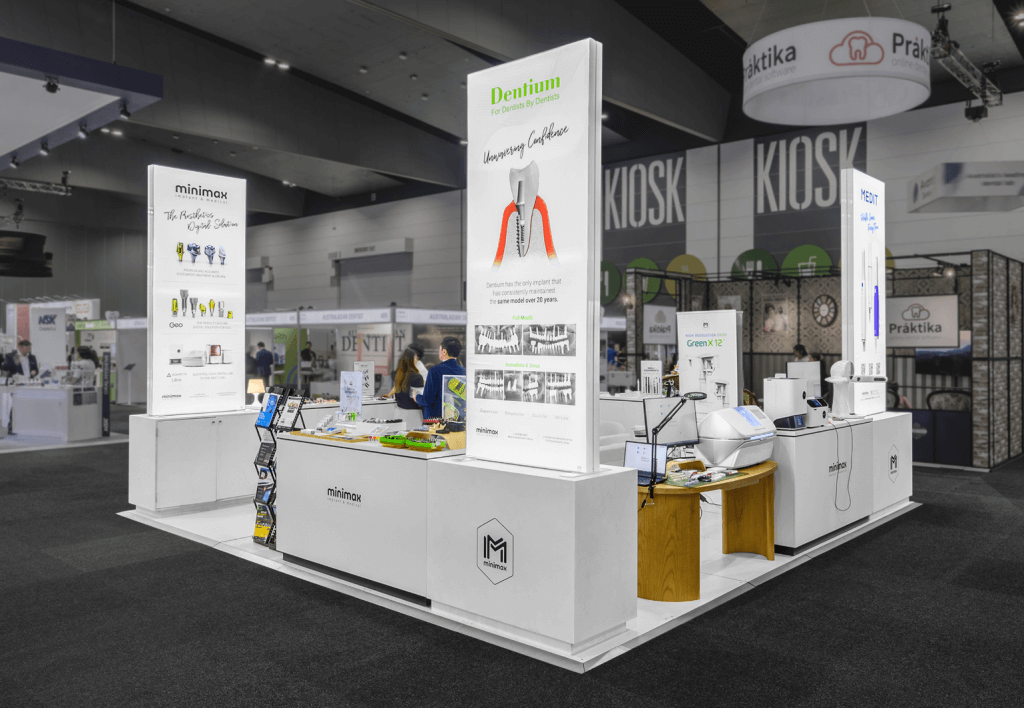
Expo stands come in various sizes, materials, and formats. The right choice depends on how your team operates during the event. For example, a 3×3 exhibition stand often strikes a good balance between easy setup and strong visual presence.
Consider how you plan to use the space. Are you displaying physical products or running digital presentations? Will your staff need room for one-on-one conversations, live demos, or secure storage? Understanding how your team functions on the floor makes it easier to choose a stand that supports them from the start.
Rather than jumping straight into layout or colour, map out your key activities. From there, choose a configuration that complements that flow and helps your team stay efficient throughout the event.
Before finalising any design, take time to review the organiser’s guidelines. Venue restrictions often affect stand height, lighting, overhanging signs, and materials. Some even limit the type of rigging allowed or require specific print formats. These rules vary from one event to the next, which means a design that works in one space might not be allowed in another.
To avoid limitations on the day, it’s worth choosing an exhibition display stand that offers flexibility. A modular or reconfigurable system can adapt to layouts and compliance requirements without sacrificing visual impact. This approach gives your team more room to move, no matter where the expo occurs.
A display that’s difficult to move or assemble can slow your team down before the expo even begins. It helps to think through the logistics early when events involve travel or tight timelines. Ask how many people are needed for setup, how long it takes, and whether your team can manage it without special tools or outside help.
Elements like counter displays, brochure racks, and media backdrops can enhance the booth, but they also add to what needs to be packed and arranged. Choosing lightweight frames, modular systems, and cases with wheels helps your team stay efficient, especially in busy venues.
Some exhibition display stands are made to work well with common booth materials. Look for designs that integrate easily with display banners, lightboxes, or digital screens. This keeps your setup cohesive while making transport and assembly far more convenient.
An expo stand should adjust as your marketing changes. Campaigns shift, product lines expand, and visual messaging often needs a refresh. A rigid setup limits your flexibility and forces unnecessary redesigns.
Choose a stand that allows updates without starting over. Modular designs with replaceable panels or adjustable parts make it easier to update content while keeping the main structure in place. This system gives your team room to respond to each event’s needs while maintaining a consistent look.
You can also add elements that work alongside the stand. An exhibition wall can support layout changes or help frame the space. A lightbox display draws attention to key visuals without interrupting the overall setup. For more flexibility, an SEG light box display provides even lighting and allows quick graphic swaps between events.
When the stand supports change, it becomes more than a one-time structure.
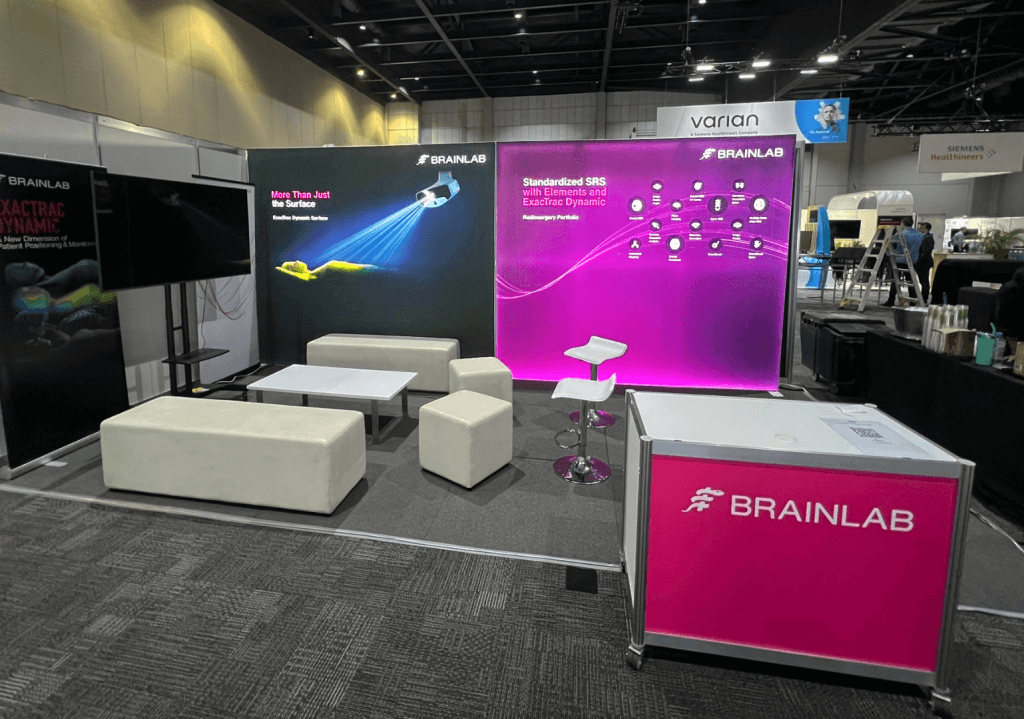
Expo stands face constant activity. Large crowds, frequent handling, and nonstop photo opportunities can quickly wear down materials. Your booth must stay sturdy and presentable across multiple events from the first hour to the last.
Select materials that resist scratches, bending, and fading. A reliable stand should keep its shape, hold its structure, and continue looking sharp after repeated use. Visual appeal matters as much as physical strength, especially when people take photos and videos throughout the day.
Visitors rarely stay in one place. They move around, record videos, and post photos from different angles. Strong visuals, clear text, and good contrast help your message come through in every shot, extending your reach beyond the venue floor.
After asking the five smart questions, there are still a few extra steps worth taking to make your booth run smoothly and leave a stronger impression. These details support your team’s flow, enhance the visitor experience, and help your display hold up through a full day on the expo floor.
Set up the full booth beforehand, ideally a week or two before the show. This allows your team to practise assembly, confirm that every part is included, and make any small adjustments before arriving at the trade show.
Create quick guides that cover product highlights, key messages, and common questions. This helps everyone stay aligned and makes it easier to deliver consistent, confident conversations—even when things get busy. It also ensures your booth messaging matches your digital and printed artwork.
Plan short rotations across different roles to keep your team focused and engaged. Move people between greeting visitors, handling product questions, and managing the portable counters so no one is stuck in one task for too long.
Keep a small kit on hand with Velcro, clear tape, zip ties, and fasteners. These tools help you keep graphics secure and your trade show display looking clean throughout the day, especially during high-traffic periods.
Choose a lead colour that ties your booth together on banners, product tags, and uniforms. A unified design improves visual impact and helps visitors remember your brand long after they leave the booth.
Expo planning works best when every part of the booth has a clear function. The structure should match the pace of the event, support your team’s workflow, and present your message without confusion.
By asking the right questions early, you avoid common display mistakes. This draws in crowds and allows your team to engage directly with attendees, address issues, and better use your time on the floor. Details like setup efficiency, lighting, and layout may seem small initially, but they shape how people experience your brand.
With the right decisions behind it, your stand becomes a space for real conversations, not just a backdrop. And when every part works together, your booth becomes easier to manage and more memorable to visitors.
Need more questions? Contact us and we’ll help you find the right answers. From product selection to layout ideas, our team can guide you through every step so your expo stand is ready to perform at its best!