
 Lightbox Stands
 Non-Illuminated Stands
 Foldable Stands
 Fabric Tube Stands
 Banner Stands
 Counters
 Accessories
 Browse All Products
 Lightbox Fabric
 Non-Illuminated Fabric
 Foldable Fabric
 Stretch and Slip-On Fabric
 Blockout Fabrics
 Tablecloths
 Lumi
Lumi Trax
Trax Expolinc
 Vista
Vista
Not every product or service is easy to explain. For many businesses, the real value lies in something layered—bundled solutions, niche applications, or results that don’t show up immediately. When these are presented at a fast-moving trade event, clarity becomes non-negotiable. Exhibition displays offer a visual structure that helps simplify complexity without watering it down.
In this article, we’ll explore how businesses use exhibition displays to make bold, immediate impressions, especially when the product or service isn’t easy to explain with words alone.
Exhibition Displays as Clarifiers, Not Decoration
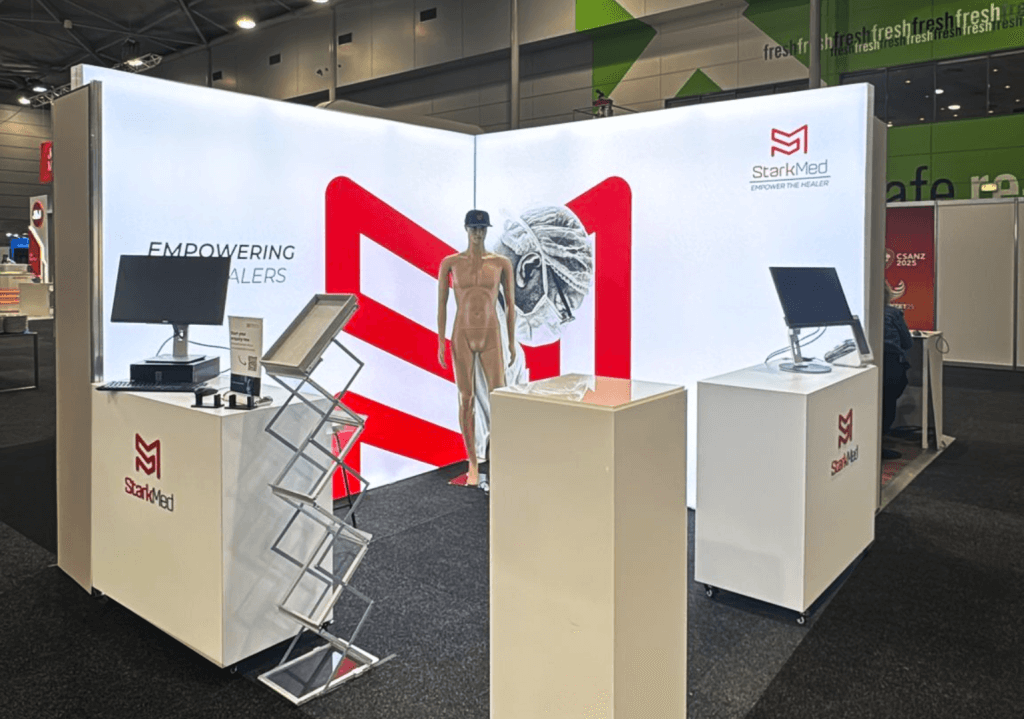
Exhibition displays are designed to deliver information clearly and in the right order. They do more than catch attention—they help people make sense of complex offers at a glance. A clear layout, strong structure, and logical visual flow highlight key points without overwhelming the viewer.
Instead of presenting features in dense text, well-organised and big exhibition stands arrange content by outcome, application, or audience. This approach helps visitors quickly focus on what matters most to them. It’s especially effective in industries like tech, finance, healthcare, and consulting, where early clarity leads to stronger conversations.
Choosing the right display solutions makes presenting complex ideas with precision and impact easier, giving businesses a real advantage when every interaction counts.
Using Exhibition Displays to Make Complicated Offers Understandable
They Set the Stage for What You’re Offering
Before anyone even reads a word, a well-designed expo stand can instantly give people a sense of what space you’re in. Is it software, engineering, education, or events? Without overwhelming them, the design cues, layout, and overall presentation offer enough context for someone to think, “Alright, I get what this is.”
That starting point matters, especially when your offer isn’t something people come across every day. A strong trade show display helps bridge that gap quickly, setting the stage for better conversations and more meaningful engagement.
They Break the Message into Manageable Sections
If your offer covers multiple products, add-ons, or use cases, cramming everything into one text block won’t do it justice. Exhibition displays allow you to divide your message into clear, visible sections, making it easier for people to zero in on what’s most relevant to them.
This segmentation opens the door for layered communication without overwhelming the audience. At any expo, smart use of graphics and layout can guide visitors naturally through complex information, keeping everything organised and easy to follow.
They Let People Discover the Message at Their Own Pace
Not everyone wants to stop for a full conversation right away. A well-structured display allows visitors to explore independently. They can read, scan, or simply observe, taking in the information in the order and depth that suits them best.
This creates a smoother entry point for deeper engagement.
They Work Quietly While You Talk
When your booth is busy, not every visitor will get face time. Displays fill that gap by introducing your business and outlining the essentials, so even unattended visitors can leave with a basic understanding of what you do.
That helps maintain interest and reduce missed opportunities.
They Create Focus Without Overloading
You don’t need to tell the entire story on your wall. A strong display balances content and space. It invites curiosity and introduces complexity without overwhelming visitors. That kind of restraint makes your booth feel more confident—and your offer easier to approach.
Supporting Display Types That Reinforce Clarity
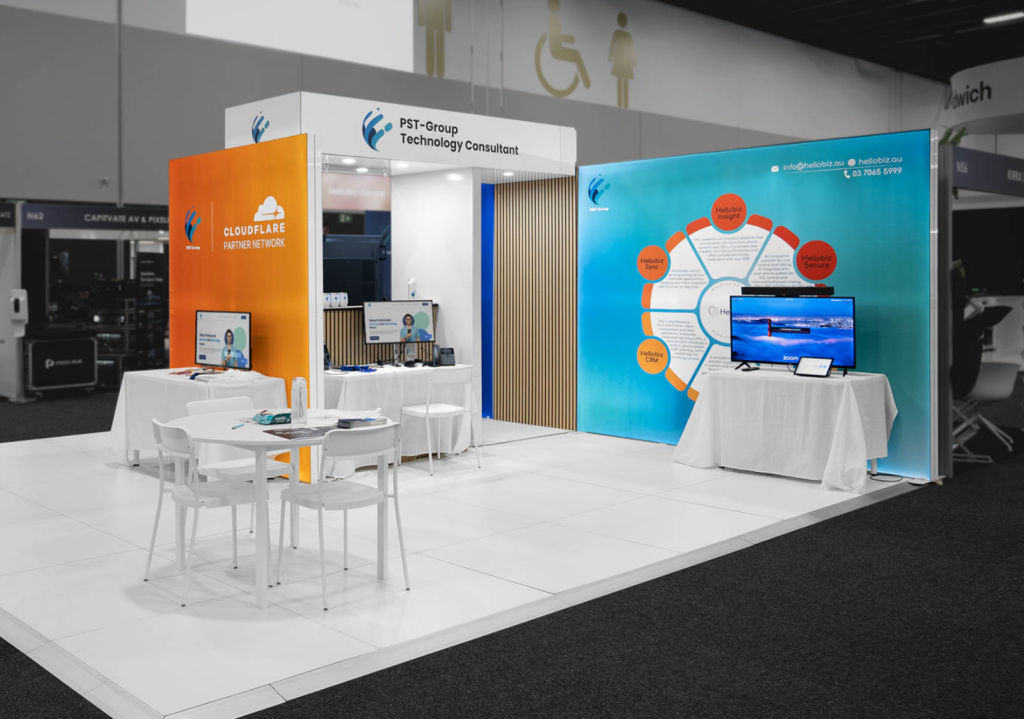
Exhibition displays are most effective when paired with supporting elements that guide attention, organise content, and help simplify complex offers. These formats don’t just fill space—they structure it to make the message easier to understand and navigate.
- Trade show stands
These set the physical tone for your space. With the right layout, trade show stands create zones that guide the visitor’s journey—from introduction to deeper exploration. Key messages can be positioned right at entry points or central sightlines, making sure people see what matters before they get distracted.
- Pop up banners
Ideal for spotlighting a service, customer segment, or promotion, pop up banners are your quick-message tools. They deliver focused content in a compact space, which is helpful when your main display is full. A well-placed banner can anchor attention without pulling focus from your broader story.
- Well-organised exhibition booths
These offer structure for more layered communication. By dividing your booth into clear zones—such as product information, how it works, and expected outcomes—you make it easier for people to explore at their own pace. Depending on the visitor’s interest level, each section can stand alone or build on the last.
- Shell scheme booths
These standardised setups don’t have to limit creativity. A tidy shell scheme booth gives you a clean, reliable structure while still allowing space for key messages to shine. By using colour, typography, and layout intentionally, you can guide attention without overwhelming the viewer.
- Illuminated displays
Sometimes, a specific feature or metric needs the spotlight—literally. Illuminated displays help call attention to these moments, whether a standout product, a compelling data point, or a customer success snapshot. They break the visual rhythm just enough to draw the eye where it counts.
- Modular display systems
These offer flexibility without sacrificing structure. You can reconfigure the layout based on the space or audience while maintaining a consistent visual hierarchy. Modular systems are especially useful for brands with multiple offerings or product categories.
- Interactive kiosks
It’s great for letting visitors explore at their own pace. With touchscreen functionality, you can layer product demos, videos, or case studies, giving visitors more control over what they learn and when.
- Overhead signage
Often overlooked, ceiling-mounted or suspended signs can provide direction, highlight key messages, or reinforce branding from a distance. These help orient people in busy settings and signal what your booth is focused on before they even step inside.
- Digital screens
Whether looping video, animated infographics, or live feeds, screens offer motion and timing that help pace the message. They’re ideal for explaining processes or visualising outcomes without cramming text into your layout.
Final Thoughts
When an offer is technical, customisable, or layered, the challenge isn’t making it sound simple—it’s making it clear. Exhibition displays do exactly that. They don’t replace human conversation but make it more effective by getting the fundamentals across upfront.
At their best, displays don’t try to say everything. They organise information, create context, and pinpoint where it matters most. That’s how complexity becomes clarity—and how curiosity becomes conversation.
