
My Bag
No products in the cart.
No products in the cart.
A light box stand can completely change the feel of an exhibition booth, retail floor, or event space. When set up properly, it catches the eye from across the room, makes products look their best, and helps create a polished image.
The trouble is, even small mistakes during setup can chip away at that effect. Lighting that is not evenly spread makes colours look dull. Graphics that do not sit flush are distracting. A frame with the slightest wobble can make the whole display feel unstable.
Those issues do not exist in isolation. They often lead to slower foot traffic, staff being pulled away to make adjustments, and a stand that wears out sooner. On top of that, they can quietly push up costs through repairs, replacements, and lost opportunities to make a strong impression.
This article takes a closer look at what can go wrong when a setup is not done right, why it affects more than just appearances, and how to ensure every display delivers on its potential.
People notice more than you think. The moment someone approaches a display, they are already forming opinions. Seeing sagging panels, shadows across important visuals, or a frame that looks uneven often leads them to connect that with the quality of the brand itself.
That connection is often subconscious. A visitor might not say, “this brand feels unprofessional because the graphics are loose,” but they will feel it. In competitive settings, like exhibitions or high-profile retail launches, a small visual slip can push someone toward a competitor whose stand looks sharper.
A premium tech company debuting a new product with lightbox displays with mismatched light temperatures will immediately lose some of its intended impact. The brand’s message of precision and quality will not come through as strongly. First impressions are hard to recover, and with events moving quickly, there is rarely time for a second chance. For brands using an exhibition stand, setup quality can make or break engagement from the start.
A great display does more than just look good. It draws people in and encourages them to explore what is on offer. When a stand is angled away from the main traffic flow, set too low, or blocked by other structures, visibility drops instantly. This applies whether it is part of a large LED light box display at a major trade show or a compact photo booth at a smaller activation.
Lighting plays a major role in holding attention. Uneven or poorly positioned light can cause colours and graphics to lose their impact, making the display fade into the background instead of standing out. Fewer people will stop without a strong visual presence, and those who do may not stay long enough for a meaningful interaction.
Lower engagement over time means fewer leads, less interest, and a reduced return on investment. In a competitive environment where every stand is working to capture attention, being overlooked comes at a cost many do not see until after the event.
Your team should connect with visitors, answer questions, and build relationships, not fix a stand. Setup problems often turn staff into on-the-spot technicians, tightening loose panels, adjusting lights, or realigning graphics while potential customers walk past.
These interruptions create a ripple effect. A booth that is not ready on time can make the whole team feel rushed or under pressure, affecting how they interact with visitors. Even small distractions during peak traffic can lead to missed opportunities to showcase a high quality display product.
A properly set up stand, complete with a stable frame and a well-lit backdrop, gives the team a smoother day. They can focus on what they do best, knowing the display is working to attract attention and support conversations from the moment the event begins.
Light box stands are built for multiple uses, but how they are handled during setup determines how long they will last. Over-tightening connectors can bend frames, and skipping structural supports can place uneven pressure on joints, leading to premature wear.
Graphics, including banners and printed artwork, are particularly vulnerable. Rushed assembly can leave creases or even cause tears, which is especially costly when the designs are customised for a specific campaign. Lighting components, especially in a seg light box, can fail early if forced into place or connected loosely.
Every time a part is damaged, it costs money to replace it. Repeated poor setups make those expenses more frequent, reducing the value of even a portable design intended to serve across multiple events. Careful handling during each setup helps protect both appearance and long-term performance.
Safety is one of the most overlooked consequences of a poor setup. A light box that is not fully stable can tip over when brushed against in a crowded venue. That puts both visitors and staff at risk.
There is also the electrical side to consider. Loose wiring or poor connections in the lighting system can cause flickering, overheating, or short circuits. These are not just presentation problems. They can be hazards.
An accident involving a display could lead to venue penalties, legal issues, and lasting harm to the brand’s reputation. Proper setup is not only about looking good; it is about keeping the space safe for everyone.
A display is more than decoration. It is a chance to reinforce a brand’s message. Misaligned panels can crop or hide key logos, and poor lighting angles can wash out important visuals or cast shadows over them.
These issues also affect photography. Visitors often take pictures at events to post online, but an illuminated display that photographs poorly will not be shared as widely. That means less reach beyond the event itself and fewer opportunities to build recognition.
Every unclear brand message or compromised image weakens the consistency marketing teams work hard to maintain.
A single poor setup might seem like a small problem, but repeated mistakes cause costs to rise quickly. Damaged graphics, bent frames, and faulty lighting require repairs or replacements that eat into budgets.
Lost revenue from reduced engagement adds to the damage. With fewer visitors stopping at the booth, the cost per lead increases. Over multiple events, the financial gap compared to a properly set up stand becomes significant.
Investing in the correct setup from the start, through team training or professional installers, often saves far more money than it costs. The difference between a “good enough” setup and a correct one can determine whether the display delivers a strong return or becomes a recurring expense.
Avoiding the hidden costs of a bad setup starts with preparation and the right approach. Training the team responsible for assembly is a key step. Knowing how to tension graphics correctly, align panels, and position lighting ensures the stand looks its best.
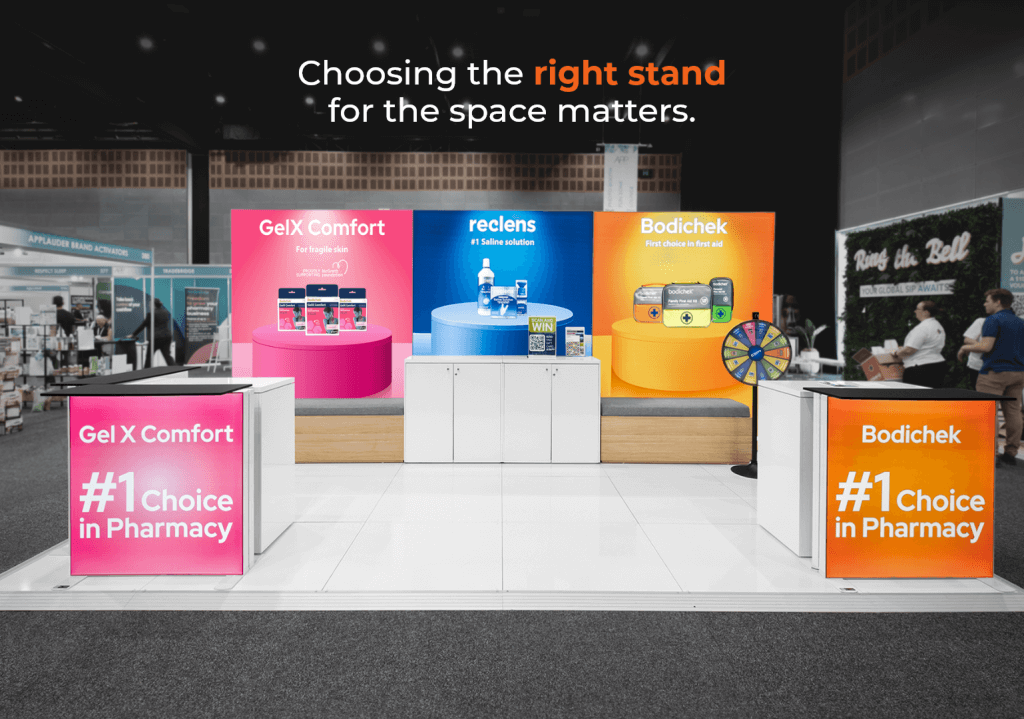
Choosing the right stand for the space also matters. A display that fits the venue’s dimensions and traffic flow will work harder for you. An expo stand placed in a position with a clear line of sight will naturally attract more attention.
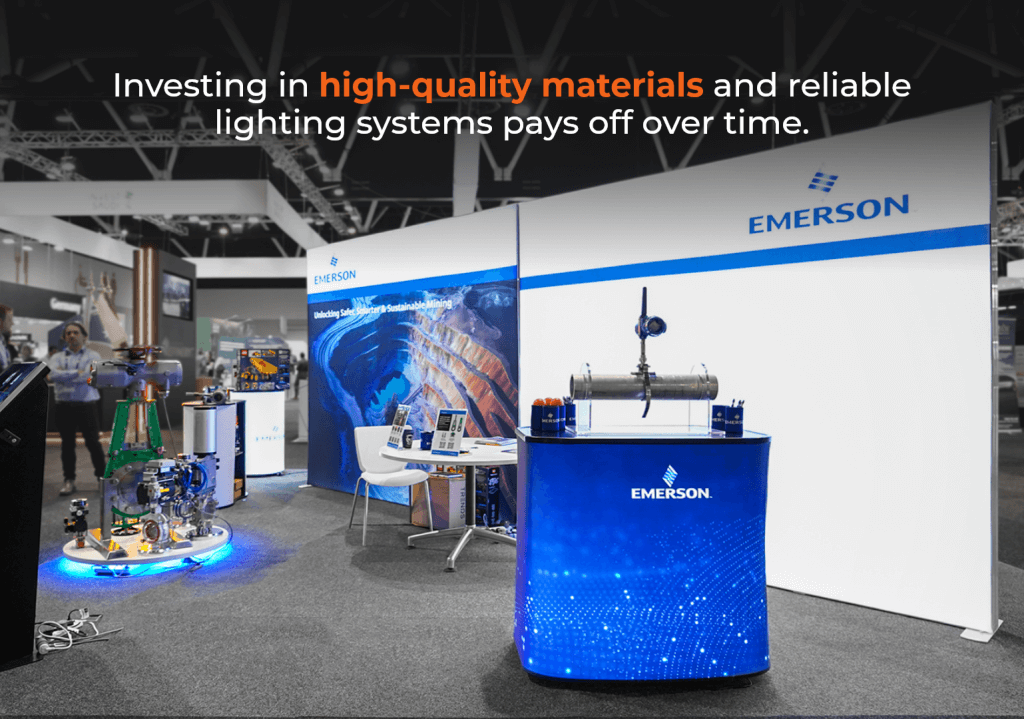
Investing in high-quality materials and reliable lighting systems pays off over time. Retail displays with durable components will handle more setups without showing wear, keeping them looking fresh for longer.
Inspecting the setup before the event starts allows small issues to be caught early, preventing them from becoming bigger problems once visitors arrive.
The real cost of a bad light box stand setup is more than just a few visual flaws. It affects how people see the brand, how staff perform, how long the stand lasts, and how safe the space is. Over time, these issues can lead to missed opportunities and higher expenses.
Setup should be treated as part of the marketing investment, not just a technical task. Before the next event, review the current process, make adjustments where needed, and ensure the display is ready to work as hard as the team behind it.