
My Bag
No products in the cart.
No products in the cart.
Curiosity shapes decisions and influences how people move through a space, especially at events. Walking past a sea of booths and displays, something has to stand out to make a person stop. The brain is wired to notice what feels unexpected, incomplete, or intriguing. When event signage stands tap into that instinct, they do more than share information—they create a reason to pause.
That brief moment of curiosity can build anticipation and make someone feel the need to take action, whether that means stepping closer, scanning a QR code, or signing up for something they didn’t even know they wanted. Let’s explore how to make them stand out and pull people in.
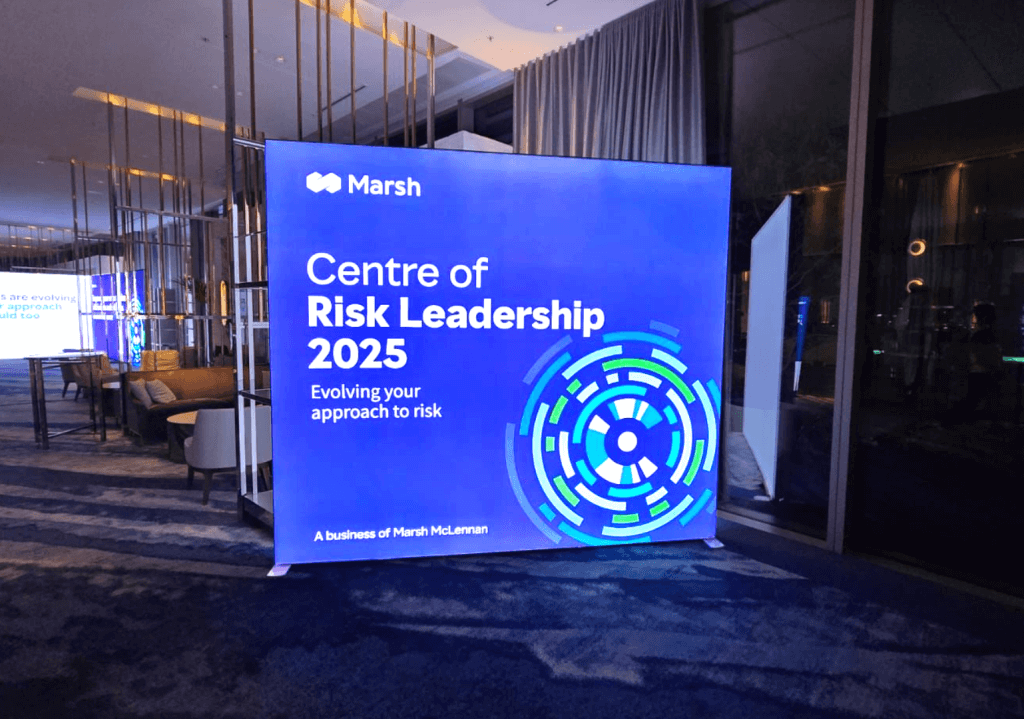
One of the biggest challenges at any event is ensuring people know where to go. Crowds, distractions, and unfamiliar layouts can make navigation overwhelming. Signage acts as a silent guide, making it easier for attendees to move through a space without confusion. Clear, well-placed signs, such as portable stands and light box stands, reduce frustration and help people focus on the experience rather than finding directions.
Beyond simple wayfinding, signage also shapes how people engage with an event. Thoughtfully positioned portable stands can highlight key areas, drawing attention to booths, sessions, or attractions attendees might not have planned to check out. A dynamic media wall can serve as both a visual anchor and a backdrop, reinforcing branding while naturally pulling people in.
When signage is done right, it enhances the flow of an event, making it easier for people to explore, engage, and feel connected to what’s happening around them.
Events are full of competing visuals, sounds, and activities. People constantly decide what deserves their time, and those decisions happen fast. A sign that fails to make an immediate impact is often ignored, even if what it represents is valuable. On the other hand, a sign that stands out sets the stage for everything that follows.
First impressions matter because they influence expectations. The right colours can make signage more eye-catching, helping it cut through the noise of a busy event space. Bold contrasts, strategic lighting, and thoughtful design choices all contribute to how a sign is perceived. Even small accessories, like branded frames, directional arrows, or interactive elements, enhance visibility and engagement. Professional, engaging, and well-placed signage naturally signals that what’s ahead is worth exploring, while cluttered or overlooked signs can cause people to move on without a second thought.
At an event, attendees make constant choices—where to go next, which convention booths to stop at, and how long to stay in a particular area. Signage helps shape those decisions effortlessly. Instead of aggressive sales tactics or overwhelming amounts of information, a good sign naturally steers people in a certain direction.
Events thrive on movement. A stagnant space where people aren’t engaging or exploring can make even the most well-planned gathering feel dull. Signage plays a role in keeping that energy alive. When people know where to go and feel drawn into different areas, it creates a steady flow that keeps the event feeling dynamic and exciting. Event booths become more inviting when clear signage highlights them, ensuring attendees don’t overlook key exhibitors or attractions.
People don’t always think about where they’re looking, but follow what feels natural. A good sign takes advantage of that by subtly leading their eyes in the right direction. Arrows are an obvious choice, but other elements work just as well. A bold line that extends toward a booth, the gaze of a person in an image looking at the main message, or even a design that naturally flows from one section to the next can make sure people focus where they’re supposed to. Instead of hoping attendees notice what’s important, well-placed cues ensure they do.
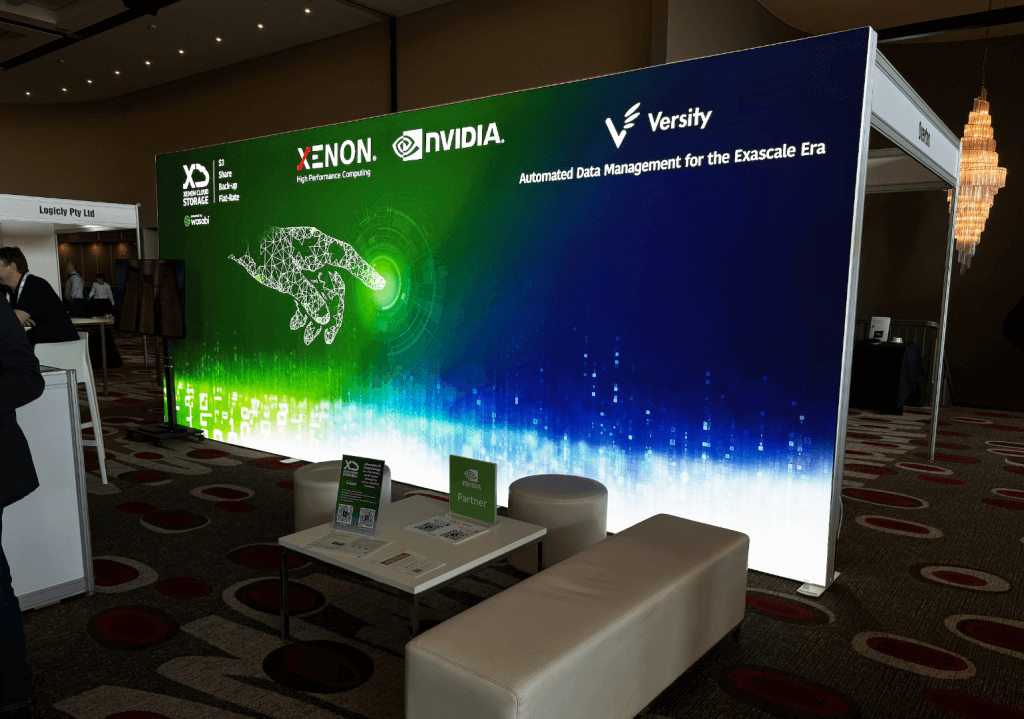
A cluttered sign gets ignored. Too much going on—tiny text squeezed into every corner, overlapping graphics, or too many colours competing for attention—makes it hard for the eye to focus, so it just moves on. Sign stands at events and portable counters at trade shows need clear, readable messaging to be effective. Negative space, the open areas around text and visuals, creates breathing room that helps a message land. That doesn’t mean a sign has to be empty, just that important elements need space to stand out. Wider margins, clean layouts, and a balance between text and images keep things readable and visually appealing. A sign that looks effortless often works the hardest.
The brain is wired to notice things that feel familiar. That’s why a well-known phrase, a recognisable shape, or an image that sparks nostalgia immediately grabs attention. But if something is too familiar, it gets overlooked. The trick is adding a twist that makes people do a double-take. A common saying with a playful edit, an everyday object used unexpectedly, or an image that flips expectations keeps people interested just long enough to make an impact. It’s like an inside joke between the sign and the viewer, making them want to stick around.
If someone has to squint or step closer to determine what a sign says, it’s not doing its job. In a busy event space, a sign has to work fast, which means it should be legible from a distance. Large, bold fonts make the main message pop, and high-contrast colour combinations—like the dark text on a light background or vice versa—ensure it’s easy to read. Placement matters, too. Eye level is best for text-heavy signs, while overhead banners should be short and to the point. The easier it is to read, the more likely people are to engage.
Most event signage is purely visual, but the ones that stand out the most often go beyond just what people see. Adding texture, sound, or even scent creates a more immersive experience. Pop up banners with raised lettering or a soft-touch finish invite people to reach out and feel them. A subtle sound effect, like a quiet chime when someone walks by, makes them take notice. Even a light fragrance in the area can create an association that sticks in their memory. When multiple senses are engaged, the sign becomes more than just something to look at—it becomes something to experience.
Whether it’s a lightbox stand, display banners, or a mix of different signage styles, it can make all the difference. When people are drawn in and curious, they’re more likely to stop, check things out, and engage. Event signage stands shouldn’t just sit there—they should spark interest, start conversations, and help make an event a success.
Need signage that grabs attention and gets people talking? Check out some high-quality options that make an impact and help your booth stand out from the crowd.