
My Bag
No products in the cart.
No products in the cart.
Creating the perfect exhibit booths begins with choosing the right materials. These materials form the foundation of your booth’s functionality, portability, and overall impact on visitors. From designing trade show exhibit booths and experimenting with creative expo booth ideas to building a modular and lightweight setup, understanding the strengths and applications of various materials can make your booth steal the show.
This in-depth guide explores the best materials for exhibit booths, from aluminium frameworks to SEG fabrics.
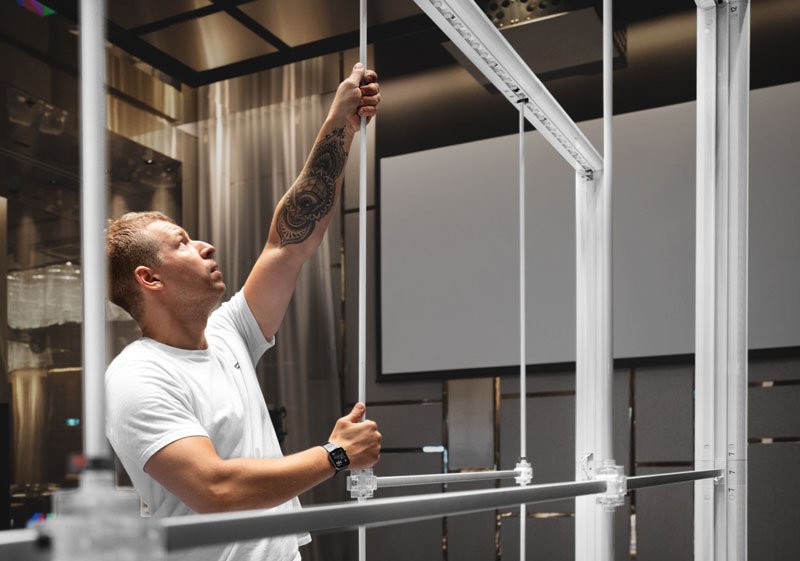
Aluminium is a top choice for trade show booths, offering the perfect balance of durability and portability. Its lightweight yet sturdy properties make it a versatile material that can be used to create modular setups, allowing exhibitors to assemble and disassemble their booths with ease. This feature especially benefits those participating in multiple trade events, as aluminium frameworks are easily transported and adapt to varying layouts.
It supports various designs, ensuring exhibitors can create a structure tailored to their branding and display needs. Additionally, its sleek, polished finish adds a modern and professional aesthetic to the booth, helping exhibitors leave a strong impression at events.
Another advantage of aluminium is its eco-friendly nature. As a recyclable material, it aligns with sustainable practices, making it a responsible and practical choice for trade show booths. Its portability, customisation, and sustainability make it an indispensable material for creating standout stands at any trade event.
SEG displays are a game-changer for creating vibrant, eye-catching trade show booths and exhibition displays. These innovative materials are designed with silicone edges that fit seamlessly into frames, eliminating visible creases or gaps. The result is a sleek and polished appearance that enhances any booth’s visual appeal, whether a corner booth, inline booth, or island booth.
One of the standout features of SEG fabrics is their lightweight and wrinkle-resistant design, making transportation and installation much simpler than traditional materials. Exhibitors can significantly reduce setup times, ensuring a stress-free experience while preparing their trade show displays or exhibit booths. These fabrics are especially practical for modular booth types, as they can easily adapt to various configurations.
Acrylic panels are a versatile addition to exhibit booths, bringing a polished and contemporary aesthetic. This solution is customisable in shape, size, and colour, making it suitable for various booth elements such as walls, shelves, or signage. Its transparency and sleek finish can create unique visual effects, such as illuminated displays or layered designs that add depth to the exhibition booth. Acrylic’s robustness ensures it withstands the wear of repeated use while maintaining its professional look.
For exhibits requiring a heavy-duty structure, steel frameworks offer unmatched durability and strength. While heavier than aluminium, steel is an excellent choice for booths that need to support large, heavy displays or withstand high traffic over extended periods. Its stability makes it a reliable option for long-term installations or outdoor exhibits. Despite its weight, steel can be styled to deliver an industrial, modern appeal that works well for certain branding strategies.

Choosing the right materials for your booth or stand is like setting the foundation for a winning display. The materials you pick can shape everything—from how eye-catching your banners look to how easy it is to transport and reuse your setup across multiple events. With a little planning, your exhibition setup can shine while being practical and durable.
Think about what works best for your needs. Lightweight materials make moving things around a breeze, while durable ones ensure your banner or banners look great, even after plenty of use. High-quality finishes can also give your booth that polished, professional touch that stands out.
When designing an exhibition booth, the type and size of the structure significantly influence the materials you’ll need. Larger setups, like an island booth or a peninsula booth, often demand durable materials such as steel or reinforced acrylic to handle intricate designs and heavier structural loads. These options are ideal for trade show booths aiming to make a bold statement with towering or double-deck designs.
Lightweight materials like aluminium or SEG fabrics are practical choices for smaller setups, such as a corner booth or an inline booth. They reduce transport costs and simplify assembly, making them a favourite for trade show displays and exhibition displays.
Modular booth types, commonly used for perimeter booths, benefit from flexible materials that adapt to various layouts and event needs. By considering the unique requirements of your booth design, you can ensure that your trade show booth is efficient and visually appealing.
Portability makes life so much easier for exhibitors hopping between trade shows and events. A booth that’s simple to pack up, transport, and set up saves time and energy, letting you focus on what matters: connecting with your audience and making a great impression.
Streamlined designs help cut shipping costs and avoid those last-minute logistical headaches. Plus, portable exhibition booths let you adapt to different layouts or venue needs effortlessly, keeping everything smooth and stress-free.
With portability on your side, you’re free to shine at every event and showcase your brand without any of the usual hassles.
Balancing cost and quality is a smart strategy when choosing materials for your exhibit setup. While higher-end options may have a steeper upfront price, their durability can save money in the long run by reducing the need for frequent replacements. This makes them ideal for components like portable counters, which are used repeatedly across multiple events.
For more budget-friendly setups, cost-effective materials can still deliver a professional and polished look. Prioritising affordable, reliable options ensures you stay on budget without compromising the overall presentation.
Consider how often your booth will be used when evaluating durability. For booths attending multiple events annually, sturdy materials like reinforced acrylic or steel provide the longevity needed to withstand frequent assembly, disassembly, and transport. Materials like SEG fabrics and aluminium, while lightweight, also offer durability suitable for moderate use and are less prone to wear. Selecting materials that align with your booth’s expected use ensures it maintains its professional appearance.
With rising environmental concerns, many exhibitors choose sustainable materials for their booths. Recycled aluminium and eco-friendly fabrics allow you to create high-quality displays while minimising ecological impact. Sustainable choices align with green initiatives and appeal to environmentally conscious audiences, reflecting positively on your brand. Incorporating these materials demonstrates a commitment to sustainability without compromising design or functionality.
Choosing materials for an exhibit booth might not be something you think about every day, but it has a bigger impact than you might expect. The right choices shape the look, durability, and functionality of your space, making sure it stands out and holds up in a busy event setting.
From the robust support of aluminium frames to the striking visual appeal and seamless finish of SEG fabrics, each material contributes unique advantages that elevate the design and performance of your booth.
By understanding how different materials work together, you can create a booth that combines style, functionality, and durability, making a lasting impression at any event.