
My Bag
No products in the cart.
No products in the cart.
Exhibition stands often look the part—polished, eye-catching, and professionally built. But even the sleekest design won’t do much if that’s where the planning ends. Many businesses pour energy into visuals, only to walk away from trade shows feeling like the results didn’t match the effort.
Maybe you’ve been there: you invested in a great stand, but traffic was slower than expected. Or you had good conversations that led nowhere. Or you walked away with a stack of business cards and no clear way to follow up. These are common issues, and most of them stem from one thing—treating the design as the entire strategy instead of just one part of it.
Here’s where things typically go off track and how to fix them.
Relying only on walk-ins at a trade show is risky. Even the most impressive exhibition display can go unnoticed if no one knows you’re there. Hoping that foot traffic and a standout look will do all the work? That’s a common trap. Start early. Use your email list, website, and social media channels to let people know where you’ll be. Mention booth features like live product demos, giveaways, or exclusive previews. If you’re using a portable display stand, talk up its flexibility—maybe it allows you to pop up in high-traffic areas or set up interactive spaces. Give people a reason to plan their visit around your booth.
Your team plays a bigger role than any display solutions ever could. A sharp design might pull people in, but without a knowledgeable, welcoming team to greet them, the opportunity slips away. Too often, staff are put on booth duty without clear direction.
Every person in your booth should know the purpose of the day—whether that’s collecting leads, showing a product, or setting up future conversations. Think of the stand as a stage and your team as the presenters. Rehearse key messages, train for common questions, and give your team tools to guide people through the experience.
Most people walk by, glance for half a second, and keep moving. A static display with nothing to interact with? It’s easy to miss—especially when the room’s packed and everyone’s already overloaded.
You can have great visuals and still feel invisible.
That’s where interaction helps. Touchscreens, small demos, a quick game, even a sample table—anything that gets someone to stop and engage for a second. It doesn’t need to be flashy. Something as simple as a foldable display stand to create a hands-on area can change how people move through your space.
You’re not trying to put on a show. Just give people something to explore—because once they stop, the conversation’s a lot easier to start.
A booth can be beautifully built and still miss the mark if it doesn’t clearly communicate what you do. Visitors won’t stand around trying to decode your message. You lose people in seconds if your display walls or signage are too vague or overly clever.
Make your offer obvious. The best designs clarify what you’re offering, who it’s for, and what happens next. Every visual element—from logos and graphics to lighting and layout—should reinforce that message.
Collecting leads without a follow-up process is like fishing without a net. Too many businesses make this mistake. They leave the show with a list of contacts but no plan to turn those contacts into conversations.
Before the event even begins, map out your follow-up timeline. Will it be an email? A phone call? A meeting invite? The speed and quality of your follow-up will set you apart from competitors who drop the ball. That’s where your investment in the stand actually starts to pay off.
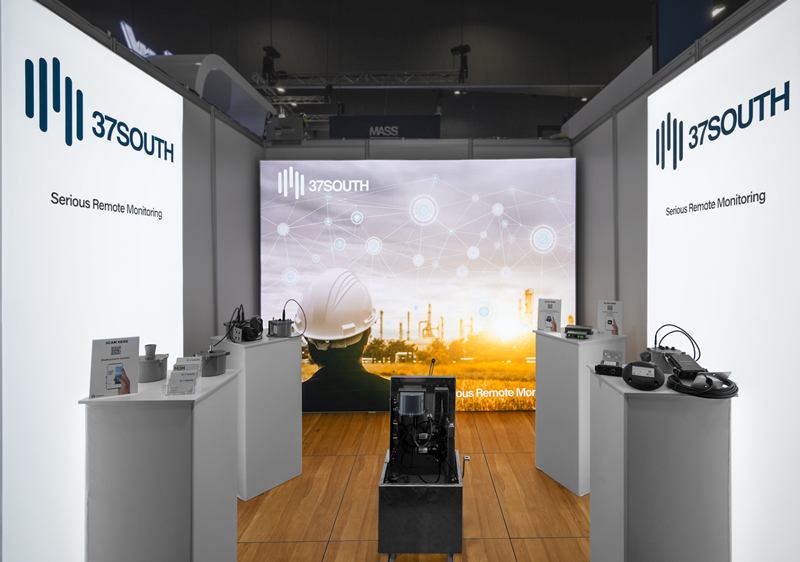
A portable stand offers flexibility and convenience, but it still needs a strong plan. Without one, you’re just setting up and hoping for the best. Whether attending a large expo or a more focused industry event, your setup should align with your objectives.
Start with clear priorities. Are you showcasing something new? Building awareness? Driving sales? From there, structure the layout of your portable display stand to match. And don’t forget to train your team accordingly.
For adaptable and easy-to-use setups, check out the options from Exhibit Central.
A stylish booth might get attention, but that’s just one step in a much longer process. Too many companies rely on the “wow factor” of their stand to do all the work and forget that meaningful results come from people, planning, and follow-through.
Here’s what needs to happen alongside the design:
When all of these pieces are in place, your exhibition stands become powerful business tools.
Trade show displays should never be just about appearance. Whether using a modular system, a compact foldable display stand, or a full-scale custom build, the value comes from how you use it. Design draws people in, but planning, engagement, and follow-up turn that attention into results. When exhibition stands fail, it’s rarely because the booth didn’t look good. It’s usually because the rest of the plan didn’t exist. Browse our website to find the right setup to match your strategy.