
 Lightbox Stands
 Non-Illuminated Stands
 Foldable Stands
 Fabric Tube Stands
 Banner Stands
 Counters
 Accessories
 Browse All Products
 Lightbox Fabric
 Non-Illuminated Fabric
 Foldable Fabric
 Stretch and Slip-On Fabric
 Blockout Fabrics
 Tablecloths
 Lumi
Lumi Trax
Trax Expolinc
 Vista
Vista
Retail signage is the unsung hero of the retail world. It’s the silent salesperson that greets customers, informs them about your products, and ultimately influences their purchasing decisions. Effective retail signage goes beyond simply displaying your store name. It’s a strategic communication tool that can significantly boost sales, enhance brand awareness, and create a positive customer experience.
This comprehensive guide dives into the world of retail signage, exploring different types, their benefits, and how to leverage them for maximum impact. Whether you’re a seasoned retailer in Australia or just starting out, understanding the power of retail signage can be a game-changer for your business.
6 Types Of Signage That Every Retailer Should Consider
Every retail space has unique needs, but some essential signage types can benefit almost any store:
- Storefront Signage: This is the first impression your business makes. A prominent storefront sign with your logo and name is crucial for brand recognition and attracting customers.
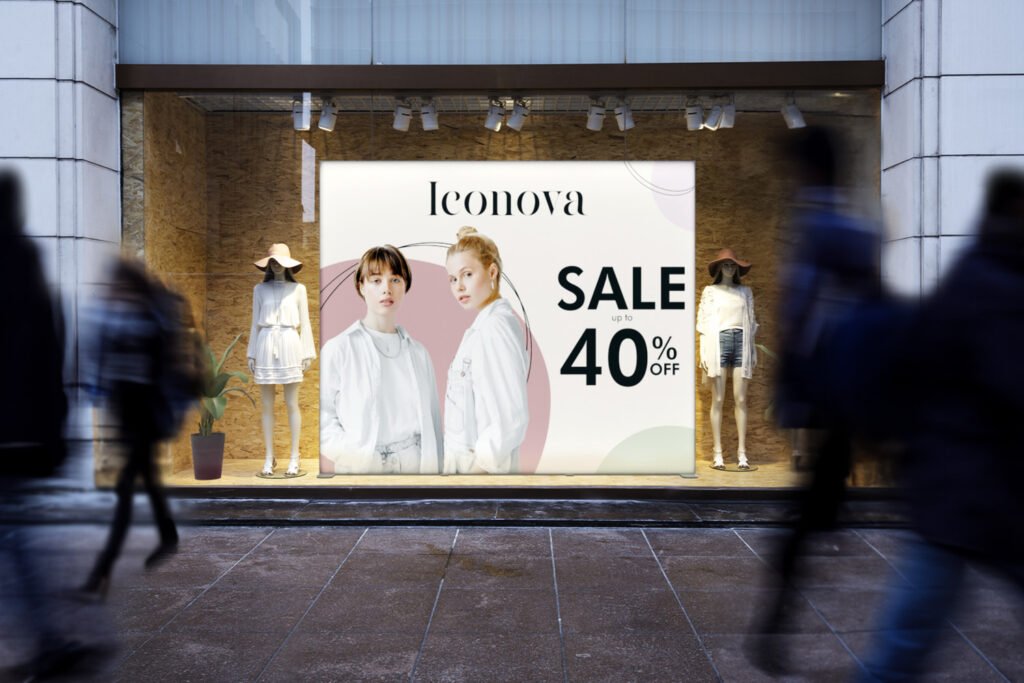
- Window Displays: Don’t underestimate the power of your storefront windows! Utilise creative window displays to showcase products, highlight promotions, and entice customers to enter your store.
- Aisle Signs and Department Signage: Clearly guide customers through your store with well-placed aisle signs and department signage. This helps them find what they’re looking for quickly and efficiently, leading to a more positive shopping experience.
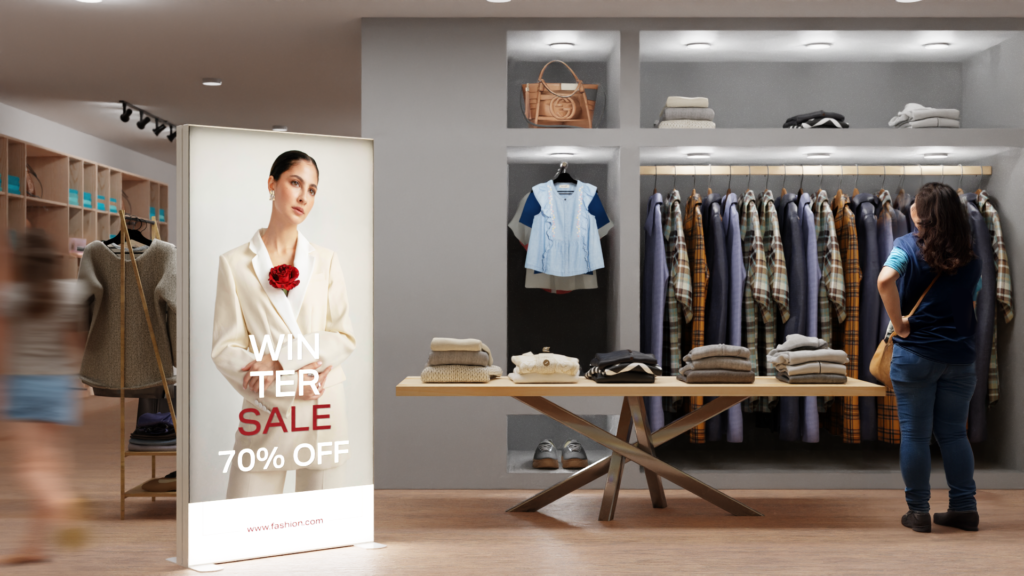
- Promotional Signage: Attract attention and boost sales with eye-catching promotional signage. Highlight ongoing sales, new arrivals, or special offers using bold colours, clear messaging, and strategic placement.
- Informational Signage: Provide essential information to your customers with informational signage. This may include store hours, return policies, restroom locations, or safety instructions.
- Digital Signage: Take your retail signage to the next level with dynamic digital signage. Display product videos, showcase customer testimonials, or promote upcoming events to create a more engaging and interactive shopping experience.
Beyond the Basics: Additional Signage Options
While the aforementioned six types are essential, there’s a whole world of retail window display options to explore and customise for your store:
- Shelf Talkers: These small signs placed directly on shelves provide product information, pricing, or promotional details at the point of purchase, influencing buying decisions.
- Overhead Signage: Hanging signs above aisles or gondola ends can effectively grab customer attention and highlight specific products or departments.
- Menu Boards: Clearly display menu items and prices in restaurants or cafes using menu boards. Digital menu boards offer flexibility and the ability to showcase mouthwatering visuals.
- Exit Signage: Ensure clear and compliant exit signage for customer safety and easy store navigation.
- Directional Signage: Guide customers within your store using directional signage, pointing them towards specific departments, fitting rooms, or restrooms.
The Benefits of Effective Retail Signage
Don’t underestimate the power of a well-designed and strategically placed retail signage system! This silent salesperson can significantly boost your bottom line by grabbing customer attention, highlighting promotions, and influencing purchasing decisions.
Effective signage also improves the customer experience by guiding them through your store and helping them find what they need quickly. Additionally, cohesive signage strengthens brand recognition and allows you to effectively promote new arrivals and special offers.
Finally, you can use signage to create a specific atmosphere in your store, from warm and inviting to sleek and sophisticated, depending on your brand identity and target audience.
Crafting Compelling Signage for Retail Stores
Creating eye-catching and informative retail signage requires careful consideration of several factors:
- Target Audience: Who are you trying to reach with your signage? Tailor the design, messaging, and placement to resonate with your specific customer demographic.
- Clarity and Concision: Keep your message clear and concise. Use easy-to-read fonts, appropriate colour combinations, and avoid information overload.
- Visual Appeal: Attract attention with visually appealing signage. Consider using high-quality graphics, bold colours, and creative layouts.
- Placement: Strategic placement is key. Put your signs where customers will see them most effectively, such as at eye level near product displays, at the entrance, or near checkout counters.
- Material and Durability: Choose signage materials that are durable and appropriate for the location. For outdoor signage, consider weather resistance.
Signage Maintenance: Keeping Your Message Fresh
Maintaining your retail signage is crucial to ensure its effectiveness and continued positive impact. This involves a regular cleaning routine to remove dust, dirt, and fingerprints so your message remains clear and visually appealing. Keeping information current is equally important.
Update pricing promptly, reflect any changes in store hours, and remove outdated promotional messages to avoid confusing customers. Regularly inspect your signage for damage or wear and tear, replacing any compromised shop signs to maintain a professional appearance.
Finally, embrace the changing seasons! Incorporate festive colours and graphics during holidays or highlight seasonal products with creative displays to keep your signage fresh and engaging throughout the year. Don’t forget to ensure all your signage complies with relevant local regulations regarding size, placement, and accessibility for a smooth operation.
Signage Regulations in Australia
Signage regulations in Australia can vary slightly depending on your state or territory. Here are some general guidelines:
- Council Approval: Signage exceeding a specific size may require approval from your local council. Contact your local council for specific regulations and permit application processes.
- Building Codes: Signage must comply with local building codes regarding placement, materials, and safety considerations.
- Accessibility: Signage should be accessible to people with disabilities. Consider factors like font size, colour contrast, and braille signage for key information.
Finding the Right Signage Partner in Australia
When selecting a signage partner in Australia, prioritise a company with a proven track record in retail signages. Their experience ensures they understand the unique needs of your business and can translate your vision into effective signage solutions.
Look for a company offering a diverse range of materials and design options to perfectly match your budget and desired aesthetic. Equally important is their manufacturing capability – ensure they can produce the size and type of signage you require. If you need assistance with installation, inquire about their services to guarantee proper placement and compliance with regulations.
Finally, prioritise excellent customer service. The ideal partner will be there for you throughout the entire process, from initial design consultations to after-sales support, ensuring a smooth and successful signage project.
The Future of Retail Store Signage: Interactive and Data-Driven
The future of retail store display signs is all about interactivity and data-driven insights. Here’s a glimpse of what’s to come:
- Interactive Displays: Imagine customers using touchscreens or interactive displays to access product information, reviews, or personalised recommendations. This creates a more engaging and informative shopping experience.
- Digital Signage Networks: Digital signage networks allow for centralised control and dynamic content updates across multiple locations. This offers greater flexibility and the ability to tailor messages to specific demographics or store locations.
- Data-Driven Signage: By integrating data analytics with your signage system, you can display targeted promotions based on customer behaviour and purchase history. This level of personalisation can significantly boost sales and customer satisfaction.
Final Thoughts
Retail signage is a powerful tool that can significantly impact your business. By understanding the different types of signage, their benefits, and best practices for design and maintenance, you can leverage this silent salesperson to its full potential.
Remember, effective signage informs, attracts, and influences, ultimately leading to a more successful retail operation. So, invest in high-quality signage, stay compliant with regulations, and embrace innovation to create a compelling shopping experience for your customers in Australia.
