
 Lightbox Stands
 Non-Illuminated Stands
 Foldable Stands
 Fabric Tube Stands
 Banner Stands
 Counters
 Accessories
 Browse All Products
 Lightbox Fabric
 Non-Illuminated Fabric
 Foldable Fabric
 Stretch and Slip-On Fabric
 Blockout Fabrics
 Tablecloths
 Lumi
Lumi Trax
Trax Expolinc
 Vista
Vista
Starting a new business can feel like constantly trying to be seen and heard, but everything around you is louder. You’ve poured time, energy, and ideas into something you believe in, yet getting people to notice is tougher than expected. It’s frustrating when passersby walk past without a second glance or when your brand blends into the background.
That’s where promotional signs and displays can help. They catch attention without shouting, tell people who you are at a glance, and spark curiosity. A bold sign outside can stop someone long enough to make them look twice. Inside, simple, thoughtful displays can guide them, tell your story, and create a connection.
Here’s how startups can use signage to stand out and turn glances into real interest.
Why do Promotional Signs and Displays Matter?
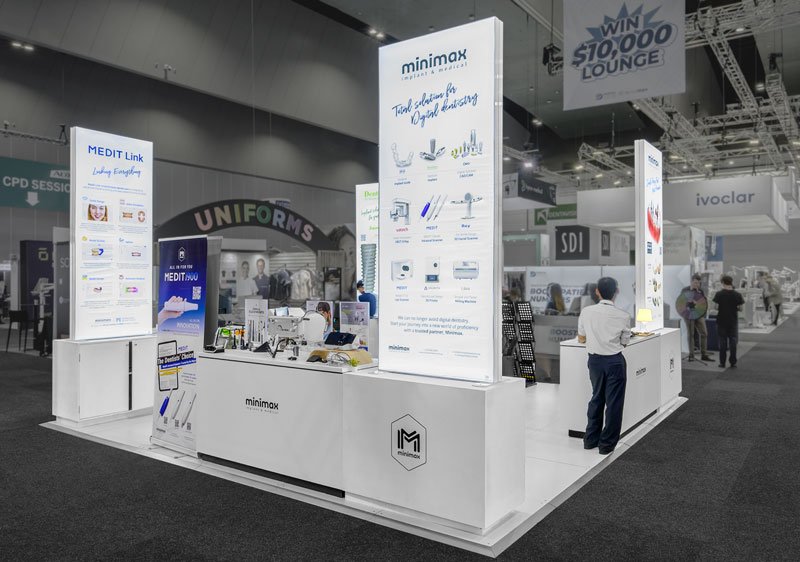
Promotional signs and displays at exhibitions and events work as a visual roadmap, guiding attendees through crowded spaces while highlighting what matters most. Striking banners draw attention from across the room, setting the stage with bold visuals and clear messaging.
Backdrops frame key areas, adding depth and professionalism to booths or presentation spaces. Strategically placed signage weaves everything together, ensuring that brand identity isn’t just seen but experienced at every turn. In environments filled with competing voices, these displays create a cohesive, memorable presence long after the event wraps up.
The Power of Promotional Signs and Displays for Startup Sales
Startups thrive on visibility, and well-placed promotional signage can be the difference between being noticed or overlooked. A strategic mix of materials, formats, and placements ensures that messaging stays fresh and effective.
Here are some ways to use promotional signs and displays to drive sales.
Establishing Brand Credibility with a Logo Media Wall
First impressions are non-negotiable, especially for startups striving to build trust from day one. A logo media wall is a powerful backdrop at events, product launches, or even within office spaces. Its clean, professional design not only reinforces brand identity but also elevates the business’s perceived value. When customers, clients, or media outlets take photos, your branding remains front and centre—an effortless way to gain organic exposure.
The versatility of a logo media wall also allows it to serve different functions. At networking events, it creates a cohesive branded environment.
Drawing Eyes Upward with Hanging Signage
Floor-level marketing often struggles to stand out in crowded settings like trade shows or bustling retail spaces. Hanging signage offers a clear advantage. Elevated above the crowd, it naturally attracts attention, directing foot traffic straight to your booth or product area.
For startups, this is effective when budget limitations restrict exhibition space. A bold sign positioned overhead increases visibility without needing extra square footage. It also reinforces brand consistency by showcasing the same design elements in your other materials, making your message clear and recognisable from a distance.
Highlighting Promotions with a Small Light Box
A small light box adds an illuminated touch that naturally draws attention. Compact yet impactful, it’s perfect for highlighting special deals, new arrivals, or limited-edition products. The bright backlighting ensures the message stands out, even in well-lit environments, making it ideal for retail counters, trade show tables, or event booths.
This is an affordable yet high-impact way to create focal points without overwhelming the space. Plus, light boxes are easy to update with new graphics, offering flexibility as your promotional needs evolve.
Making a Statement with Display Banners
High quality display banners are the workhorses of promotional materials—portable, cost-effective, and versatile. They’re perfect for startups participating in various events or markets since they’re easy to transport and set up.
What sets a great banner apart is more than just bold graphics. The messaging should be concise yet compelling, with strong calls to action that spark curiosity or urgency. Whether announcing a product launch, promoting a limited-time offer, or simply showcasing your brand, display banners help create a professional presence wherever you go.
Enhancing Customer Engagement Through Interactive Retail Displays
Modern retail displays aren’t just static—they can be interactive, encouraging customers to engage with products on a deeper level. This could be as simple as incorporating QR codes for additional product information, touchpoints that activate product demos, or displays designed for tactile exploration.
Startups benefit greatly from this approach because it adds an experiential layer to the customer journey. Instead of passively viewing products, customers interact with them, creating memorable experiences that increase the likelihood of a purchase.
Creating a sense of urgency can be a strong motivator. Durable retail displays dedicated to flash sales, seasonal promotions, or limited-edition products encourage customers to act quickly. The visual cues—think bold colours, countdown timers, or “last chance” signage—trigger a psychological response that makes delaying a purchase feel risky.
Creating Memorable Brand Experiences with Strategic Promotional Signage
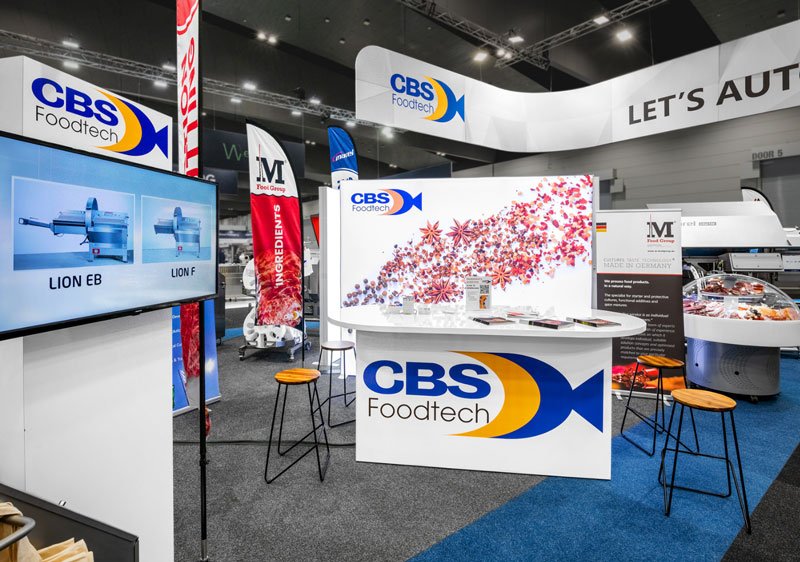
At launch events, expos, or pop-up shops, promotional signage does more than share information—it helps shape the entire atmosphere. It sets the tone, defines spaces, and guides attendees effortlessly through the event.
When every element, from entrance signs to product displays, feels connected, it creates a cohesive story that draws people in. For startups, this approach turns ordinary events into engaging brand experiences that stick with attendees long after they’ve left.
Measuring the Impact of Promotional Displays on Sales
When you’re just starting, it can be tricky to gauge how effective promotional displays are. The good news is that a few clear metrics can help show how these displays boost performance. Consider these simple ways to measure their impact and see what’s driving results:
1. Tracking Foot Traffic Before and After Sign Installations
Monitoring foot traffic offers immediate insight into how displays affect customer flow. Begin by recording baseline data over a set period without the promotional display. After installation, track the same metrics to identify changes.
Technologies like in-store sensors, heat maps, and motion trackers can capture accurate data, highlighting shifts in customer movement patterns. An increase in traffic around specific displays often indicates effective placement and design. For clearer results, compare data across different days and times, accounting for external factors like promotions or seasonal trends.
This method helps businesses determine if people notice the display and if it’s influencing their decision to engage with the space.
2. Using Unique Codes or QR Links to Measure Conversion Rates
Foot traffic alone doesn’t confirm sales impact. Integrate unique discount codes or QR links to link displays directly to purchases. For example, a promotional signage piece advertising a special offer can feature a code or a scannable QR that leads to a product page.
Tracking these codes reveals how many people acted on the promotion after interacting with the display. QR analytics show scan frequency, location data, and time spent on linked pages. This approach connects engagement with actual conversions, offering measurable proof of the display’s influence on sales.
3. Gathering Customer Feedback to Refine Campaigns
While data provides quantitative insights, customer feedback adds valuable context. Quick surveys either in person or via follow-up emails can uncover what drew customers to a display or influenced their decision to purchase.
Questions might include:
- “What first caught your attention?”
- “Did the display provide enough information?”
- “What would have made the promotion more compelling?”
Observing customer behaviour around displays reveals subtle cues, such as hesitation, confusion, or enthusiasm. This feedback identifies areas where messaging, design, or placement could be improved, guiding more effective campaigns in the future.
Wrapping It Up
Every marketing decision matters when you’re starting out, and promotional signs and displays offer a smart way to boost visibility, engage customers, and drive sales. From logo media walls that build brand recognition to hanging signage that draws attention and directs flow, these tools open doors to meaningful connections with your audience.
Investing in well-designed signage goes beyond looks—it helps create an environment where your brand feels memorable, authentic, and impossible to overlook.
