
 Lightbox Stands
 Non-Illuminated Stands
 Foldable Stands
 Fabric Tube Stands
 Banner Stands
 Counters
 Accessories
 Browse All Products
 Lightbox Fabric
 Non-Illuminated Fabric
 Foldable Fabric
 Stretch and Slip-On Fabric
 Blockout Fabrics
 Tablecloths
 Lumi
Lumi Trax
Trax Expolinc
 Vista
Vista
Everyone hits a point where things feel a bit… flat. A new haircut rearranged furniture, and even changing the daily routine all help break the monotony and bring back some spark. Retail environments are no different. Just like we sometimes need a personal refresh, your retail display solutions need one too.
Shoppers crave novelty and clarity. A display that once drew a crowd can lose its pull over time, not because it was poorly done but because it stayed the same too long. When things feel off, but it’s hard to pinpoint why, that’s often your cue.
Let’s look at the key signs. It’s time for a reset, and here are some fresh ways to approach your layout, styling, and signage.
When to Rethink Your Retail Display Solutions
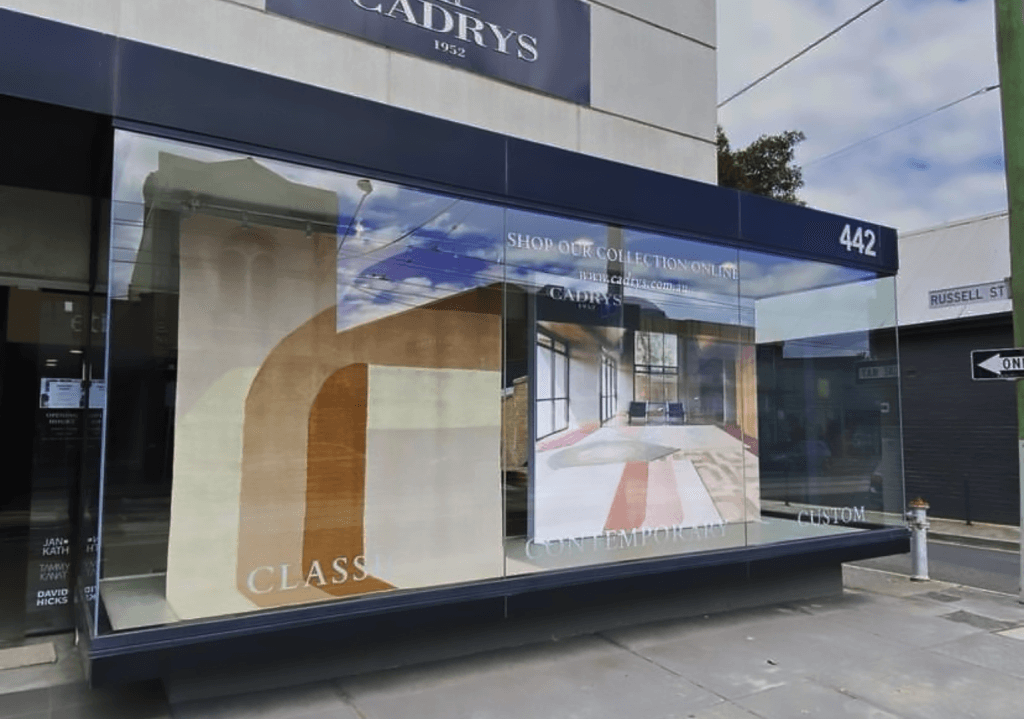
Retail environments shift constantly. What felt bold and fresh a few months ago can easily lose momentum. Displays play a major role in how shoppers interact with products, move through space, and form their impression of the brand. These signs can help you decide when it’s time to rework your display strategy:
1. Displays Blend into the Background
That striking setup from earlier in the year may now go unnoticed. Over time, even the most impactful displays can start to fade into the retail store’s visual noise. When your staff stops noticing it, chances are customers have, too. Displays should hold attention, not disappear into the scenery.
2. Product Movement Has Slowed
A decline in sales doesn’t always point to the product itself—sometimes, it’s a presentation issue. In-store displays should support product visibility and help drive decision-making. When shoppers aren’t stopping to engage, updating positioning, layout, or lighting (such as adding a light box display) can make a noticeable difference.
3. The Season Has Shifted Without Any Updates
Customers walk in expecting the store to reflect the time of year. Leaving summery colours and materials on show during cooler months makes the space feel disconnected and dated. Incorporating seasonal accessories, tones, relevant textures, and timely signage keeps the atmosphere aligned and fresh.
4. Branding Has Moved Forward, but Displays Haven’t
A new logo, visual identity, or tone of voice should be reflected in-store. Displays that still reflect an old look or message create inconsistency, confusing customers and diluting the overall retail experience. Bringing displays up to speed reinforces a sense of cohesion.
5. Foot Traffic Isn’t Leading to Interaction
Many people might be walking in, but they’re not pausing, browsing, or engaging. This could suggest that the layout isn’t guiding people effectively or that displays aren’t encouraging a closer look. Positioning, lighting, and balance can all help shape flow and behaviour.
6. Staff Are Repeating the Same Answers
Constant questions about price, availability, or features suggest the display isn’t communicating enough. Clear signage, strong visuals, and supportive lighting can fill those gaps and let the retail shop speak more for itself.
7. The Space Feels Static
Even if business is steady, a store that looks the same week after week can start to lose its spark. Shoppers are drawn to environments that evolve. Swapping out a backdrop, rotating focal points, or adding new elements like lightbox counter display stands can bring energy back to the space without requiring a full redesign.
8. New Products Don’t Have a Clear Home
Launching a new item without a well-designed place to present it weakens its impact. Displays should spotlight new arrivals in a way that feels intentional, not squeezed in. A defined launch space with lighting and structure can help the product stand out as something worth noticing.
9. Competing Stores Are Raising the Bar
Walking past other stores that look fresher, better lit, or more thoughtfully arranged can highlight how far your current display setup has fallen behind. Staying visually competitive helps keep foot traffic high and reinforces your position in the local retail scene.
10. Social Media Shares Have Slowed Down
A drop in customer photos and tagged posts from inside the store suggests a loss in visual appeal. A compelling shop window display only draws people in and often becomes part of their content. Elements like well-lit retail promotional signage, clean lines, and feature walls make it easier for customers to take and share pictures naturally.
Tips When Purchasing Retail Display Solutions
Know Your Space First
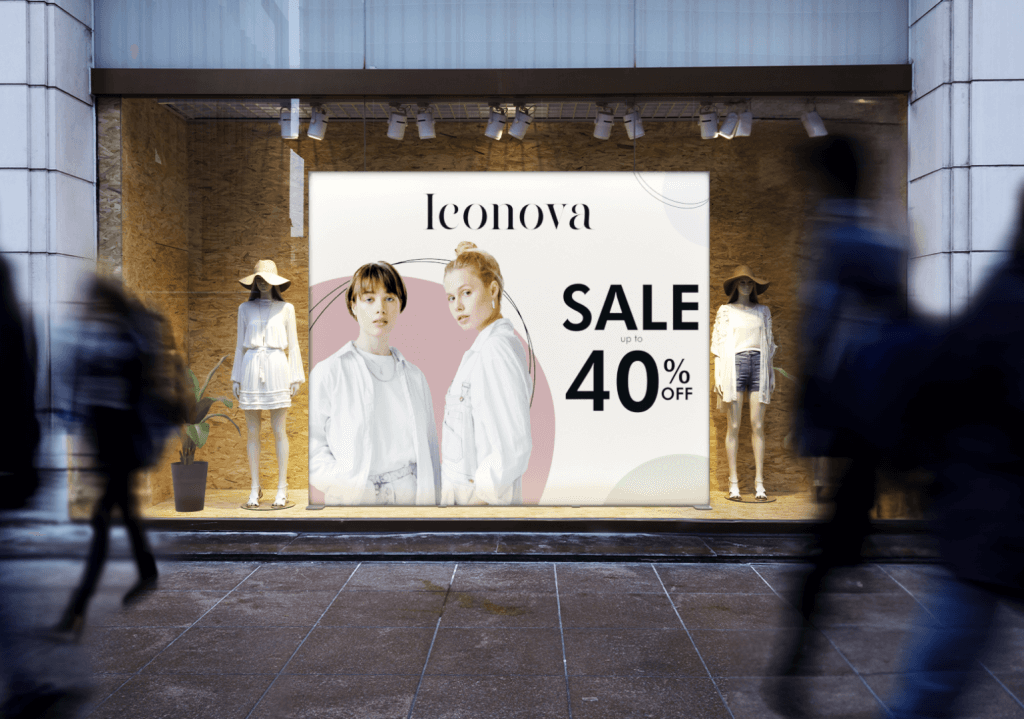
Before choosing any retail display, start with accurate measurements. Record the length and height of each wall, the total floor area and ceiling height, plus note the location of power points and lighting sources. This helps you understand what can fit and function in your space without creating clutter or blocking walkways. A clear layout also gives you a better sense of flow, allowing customers to move around comfortably and engage with your displays more naturally.
Look for Modular or Reusable Options
Versatile displays are a smart investment. Modular systems can be reconfigured to suit different layouts, seasons, or promotions, so you won’t have to start from scratch whenever you want to update your shop. Lightbox displays with fabric graphics are another solid choice—just swap out the print when you want a new look. These flexible solutions save time and money while keeping your store looking fresh.
Consider Lighting Built-In or As an Add-On
Lighting isn’t just a finishing touch—it can completely change how a display looks and performs. Systems with built-in lighting, such as lightboxes or backlit shelving, instantly make a display look more polished and high-end. If the display doesn’t have lighting, check that it’s designed to accommodate external lights. Highlighting key products helps draw attention, enhance detail, and create a more inviting environment.
Prioritise Durability and Easy Maintenance
Retail displays are handled constantly—by staff rearranging stock and customers browsing—so durability matters. Look for materials that can withstand daily wear and tear, such as metal frames, scratch-resistant coatings, and surfaces that are easy to clean. In high-traffic areas, flimsy or easily damaged units won’t last and could even make the space feel less professional. A well-made display doesn’t just last longer—it reflects better on your brand.
Wrapping It Up
Displays that no longer highlight your sampling stations or attract attention signal it’s time to make changes. Observing how customers move through space, what they stop to look at, and what they pass over can help guide what needs to be adjusted. Even small improvements can improve how your space looks and functions. A well-considered display supports your products and keeps the store experience active and engaging.
