
My Bag
No products in the cart.
No products in the cart.
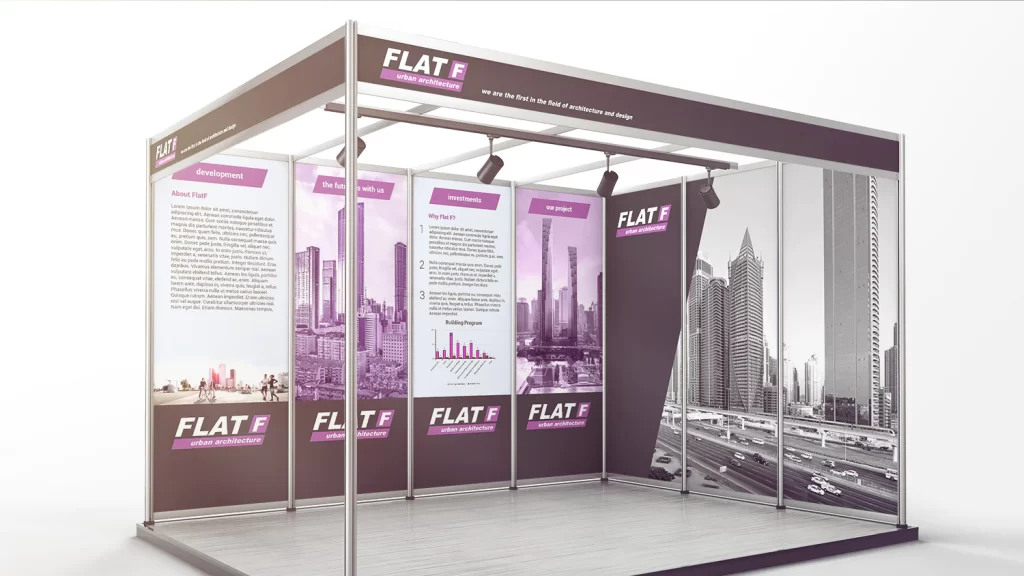
When you attend an exhibition or trade show, you’ll often see booths and stalls adorned with various displays and signs. One prominent feature you’ll notice above many exhibition booths is the fascia board. But what exactly are fascia signs, and do you really need one for your shell scheme exhibition booth? In this article, we’ll delve into the world of fascia boards on booths, their purpose, and whether they are essential for your exhibition setup.
A fascia board, also known as a fascia sign or fascia name board, is a horizontal panel typically installed at the front of an exhibition stall or booth. It runs along the top edge of the booth, displaying crucial information about the exhibitor or the brand. Fascia signs are usually made of various materials such as foam board, PVC, acrylic, or even fabric. They provide a visible space for branding and identification, ensuring that attendees can easily spot and recognise your booth amidst a sea of displays.
Exhibitors can customise the fascia signs with their company logo, slogan, and any essential contact information, creating a cohesive and memorable brand presence. The use of vibrant colours, eye-catching graphics, and concise messaging on the fascia panels can draw visitors’ attention and curiosity, encouraging them to approach the booth and engage with the exhibitors.
Moreover, beyond just branding, fascia boards also aid in guiding attendees through the exhibition space. Often, exhibition halls can be vast and overwhelming, with numerous booths and displays competing for attention. The clear visibility of a well-designed fascia signs can act as a navigational marker, helping visitors find their way around the event and locate specific exhibitors they may be interested in meeting.
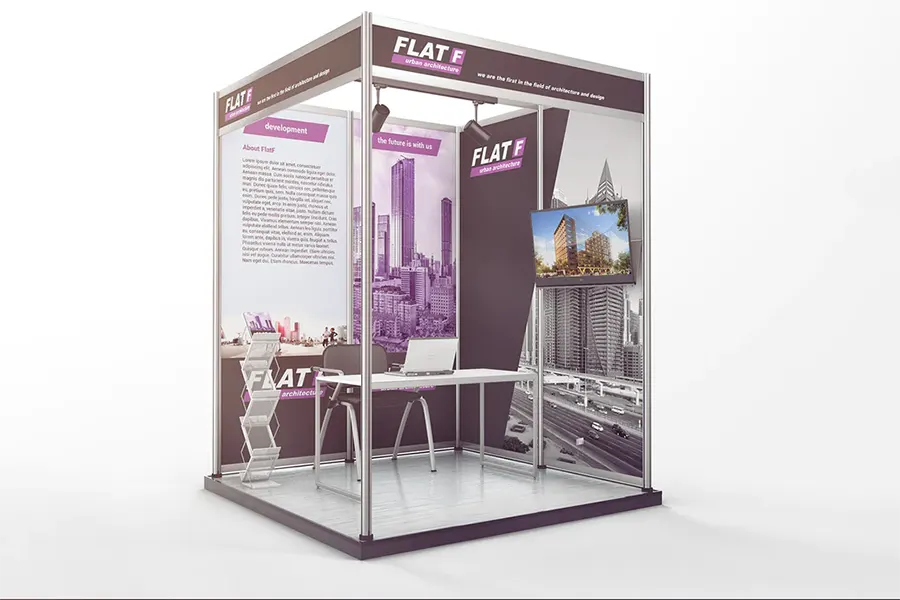
The fascia name board serves as a prominent identifier for your booth. It commonly features your company or brand name, logo, and sometimes additional details such as your booth number or tagline. The primary purpose of the fascia board on booths is to create brand visibility and enhance your booth’s overall aesthetics, drawing visitors’ attention to your exhibit and making it more memorable.
This visibility and clear identification are especially crucial in large and crowded events, where attendees might be overwhelmed by the sheer number of booths. A well-designed fascia name board not only reinforces your brand but also facilitates foot traffic and engagement, increasing the likelihood of generating leads and networking opportunities.
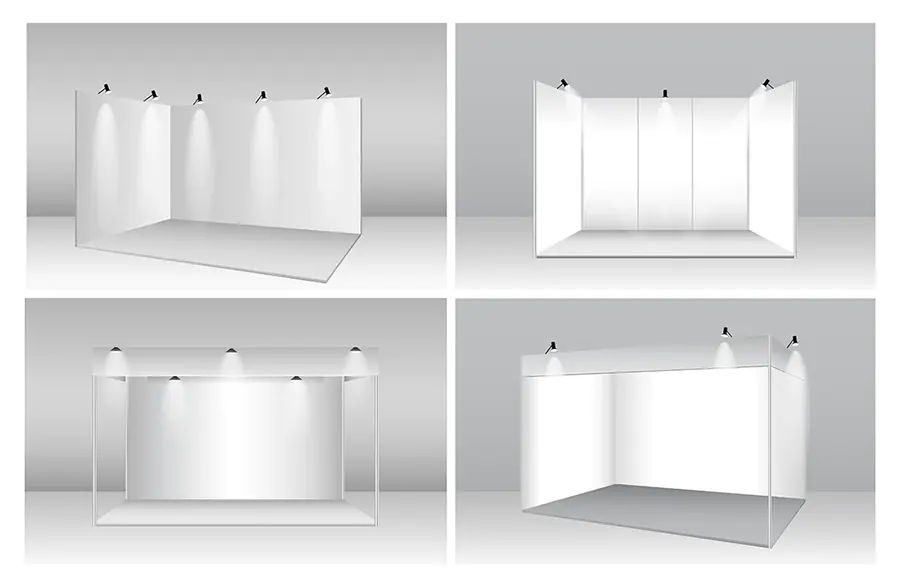
The decision to remove the board on booths depends on various factors, including the exhibition’s rules and regulations, your budget constraints, and your specific event marketing strategy. While some exhibitions might mandate the use of fascia signs, others might offer exhibitors more flexibility in their booth designs.
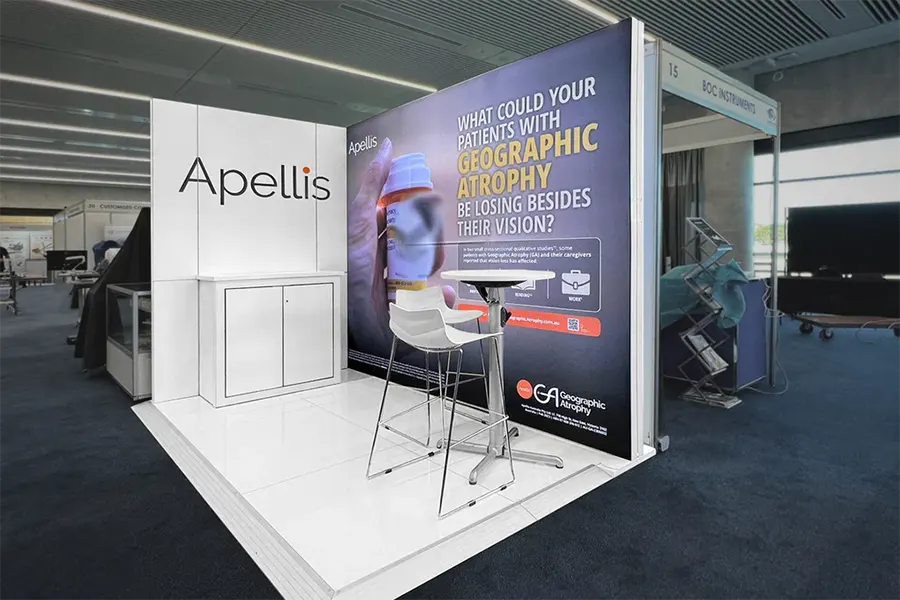
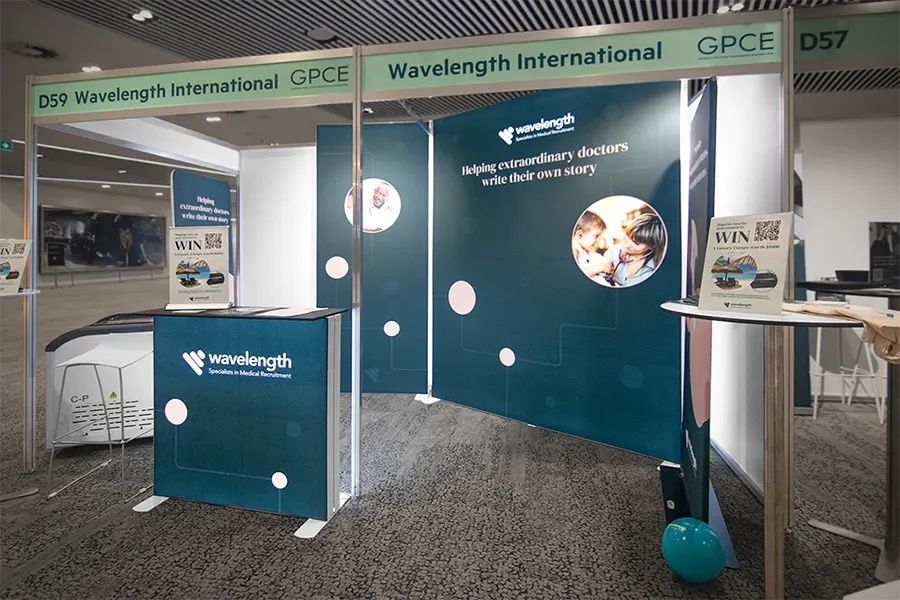
If you have decided to remove the fascia board from your shell scheme booth, follow these steps:
Before making any changes to your booth, carefully review the exhibition guidelines. Ensure that removing the sign is permitted and won’t result in any penalties or restrictions.
Notify the exhibition organisers about your decision to remove the fascia board. They may have specific procedures or requirements for modifying the booth’s appearance.
Plan creative alternatives to compensate for the absence of the board. Consider using eye-catching banners, flags, or digital displays to showcase your brand name and message.
Execute your new booth design with precision and professionalism. Make sure it aligns with your brand identity and effectively communicates your message.
Fascia boards on shell scheme booths play a significant role in branding, visibility, and attracting potential customers. Ultimately, the decision to remove the sign should be carefully evaluated based on your exhibition goals, the nature of your products or services, and your overall marketing strategy. While it offers cost savings and design freedom, it’ essential to weigh these benefits against the potential drawbacks related to branding, visibility, and compatibility with specific exhibit materials. Engaging with exhibition organisers and seeking input from experienced booth designers can help you make an informed decision that aligns with your objectives and maximises your presence at the event.