
 Lightbox Stands
 Non-Illuminated Stands
 Foldable Stands
 Fabric Tube Stands
 Banner Stands
 Counters
 Accessories
 Browse All Products
 Lightbox Fabric
 Non-Illuminated Fabric
 Foldable Fabric
 Stretch and Slip-On Fabric
 Blockout Fabrics
 Tablecloths
 Lumi
Lumi Trax
Trax Expolinc
 Vista
Vista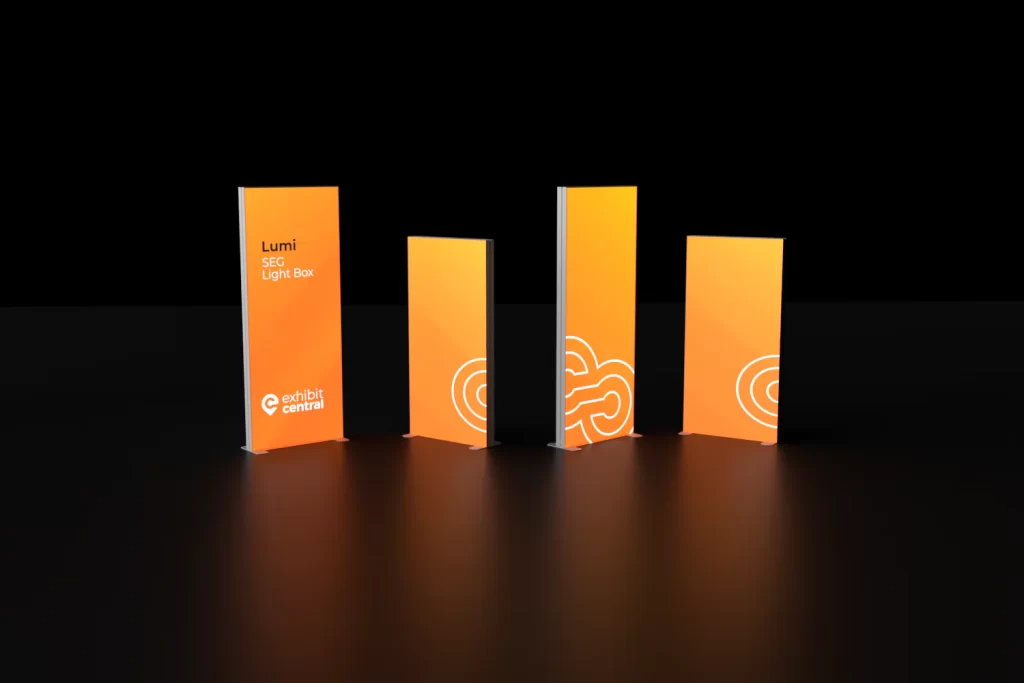
Light box displays have become popular marketing tools in various industries due to their eye-catching and visually appealing nature. They provide an excellent platform for showcasing promotional content, advertisements, and artwork in a dynamic and illuminated manner. When investing in a lightbox display, it’s crucial to consider the size and shape that will best suit your needs. This article will guide you through the process of selecting the right size and shape for your light box, ensuring maximum impact and effectiveness.
What are the common sizes of light box displays?
Light box sizes can vary significantly depending on the intended use and available space. Common sizes range from small to large, accommodating different display requirements. Small light box displays, such as the smallest LUMI light boxes, are typically around 1 x 1 metre, making them ideal for tabletops, countertops, or areas with limited space.
Medium-sized portable light box displays are commonly around 1 x 2 metres. They offer a more prominent presence and are suitable for various applications, including retail stores, restaurants, and trade shows. Medium-sized light boxes provide enough space to showcase product advertisements, menus, or promotional graphics effectively.
For larger spaces or events that require a significant visual impact, large light box displays are the way to go. These displays typically range from 2m x 2m to 3m x 2.5m. They are commonly seen in airports, shopping malls, exhibition halls, and outdoor billboards. Large light boxes are perfect for catching the attention of passersby and creating a memorable visual experience.
How deep does a light box need to be and why?
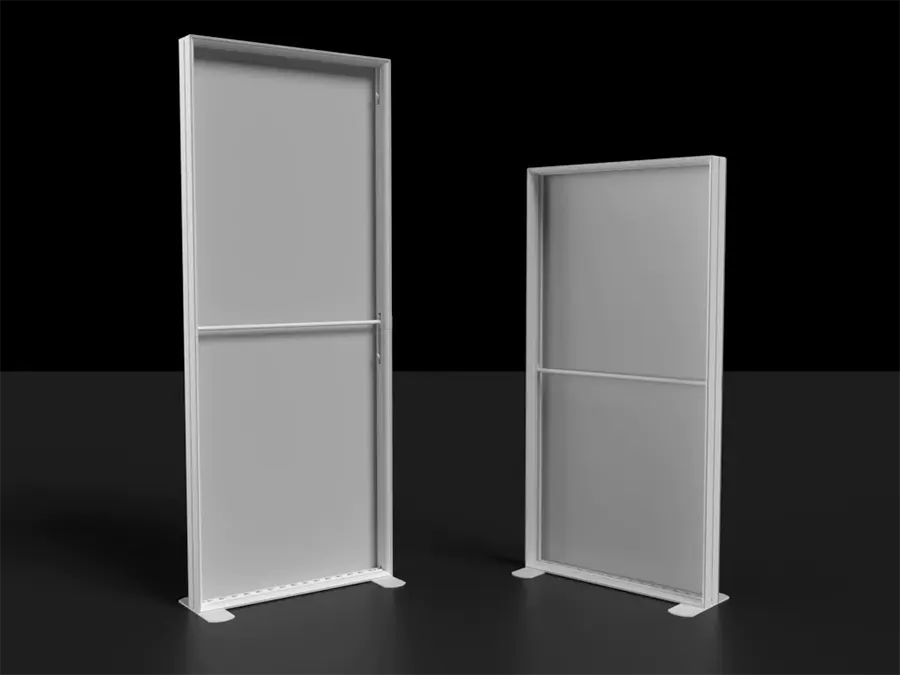
The depth of a lightbox is an essential consideration when selecting the right display for your needs. The depth determines how evenly the light is distributed and how effectively the graphics are illuminated. LED light boxes needs to be deep enough to accommodate the light source, diffusion panel, and graphic print without causing shadows or hotspots.
Generally, a lightbox should have a depth of 10cm or more. LUMI Frames are 12cm deep. This depth allows for sufficient space to house LED lighting components, which are commonly used as the light source. The diffusion panel, typically made of acrylic or polycarbonate material, helps spread the light evenly across the graphic, preventing any concentrated brightness or dark areas.
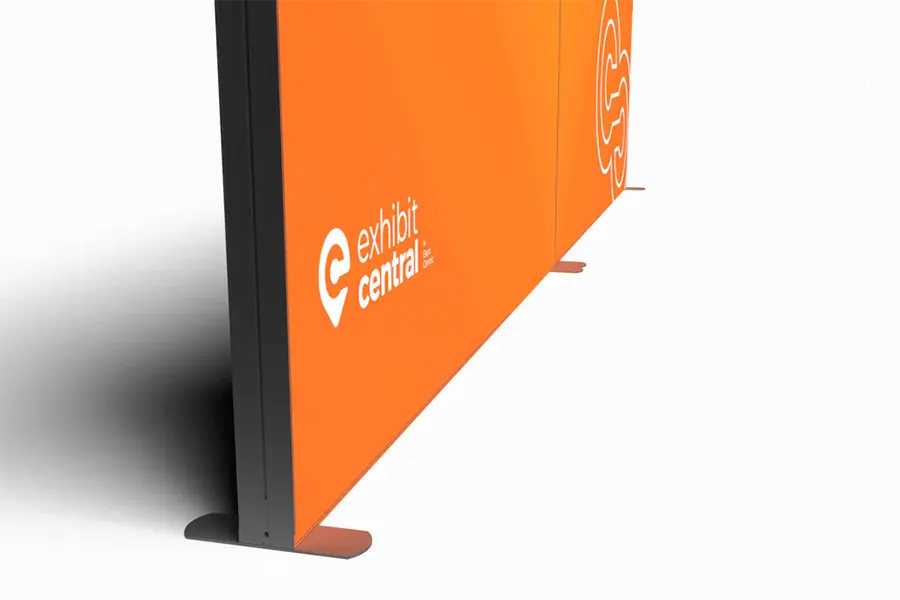
A 10cm thick lightbox can provide even better illumination and minimize any potential shadows. This depth allows for a more significant distance between the light source and the graphic, resulting in improved light dispersion and reduced hotspots. However, deeper LED light boxes may require additional structural support to ensure stability and prevent sagging.
It’s worth noting that slim LED light boxes have gained popularity in recent years due to their sleek and contemporary design. These light boxes are a popular choice for modern retail environments or spaces with limited mounting options. A slim light box typically utilises LED edge lighting technology, which provides uniform illumination while maintaining a slim profile.
What is the best material for a light box?
When it comes to choosing the best material for a light box, several factors need to be considered. One of the most popular choices is acrylic, thanks to its versatility and durability.
Acrylic is a lightweight, transparent plastic that allows light to pass through uniformly, resulting in a bright and evenly illuminated display. Its high impact resistance makes it less prone to cracking or shattering, ensuring a long-lasting light box.
Another commonly used material is polycarbonate, which shares similar characteristics to acrylic but offers even greater impact resistance. Polycarbonate is known for its exceptional strength and can withstand harsh conditions, making it an excellent choice for outdoor light boxes.
Additionally, aluminium is a popular option as light box frame due to its lightweight nature and corrosion resistance. And, aluminium is a sturdy frame. It provides structural stability and can be easily customized to fit various sizes and shapes. Ultimately, the choice of material depends on the specific requirements of the light box, including its intended use, desired longevity, and budget considerations.
Choosing the right shape for your LED lightboxes display
In addition to size, the shape of your LED light boxes display can significantly impact its visual appeal and the effectiveness of your message. The most common shapes for light box displays include round, rectangle, and square.
Rectangle lightbox displays are the most common and versatile shape. They provide a classic and clean look that suits a wide range of applications. Rectangle LED light boxes are ideal for displaying large graphics, such as advertisements, branding visuals, or informational content. Their rectangular shape allows for easy integration into various environments, including retail spaces, corporate offices, trade show booths, and outdoor installations.
Square light boxes offer a symmetrical and balanced design that can create a modern and artistic display. The square shape is particularly suitable for showcasing square-format artwork, photography, or logo designs. Square light boxes are often used in galleries, museums, and creative spaces where visual aesthetics and symmetry are emphasized.
When choosing the shape of your lightbox display, it’s essential to consider the content you plan to showcase and the environment in which it will be placed. Light box displays are great for grabbing attention, while rectangle and square LED light boxes provide a more versatile canvas for displaying various types of content.
Considerations for selecting the right size and shape
To determine the right size and shape for your lightbox display, there are several key factors to consider:
- Purpose and content: Identify the primary purpose of your light box display and the type of content you plan to showcase. Are you advertising products, promoting a brand, or displaying artwork? The size and shape should align with the content and its intended impact.
- Available space: Evaluate the dimensions of the area where the light box will be placed. Consider the height, width, and depth restrictions to ensure the chosen size and shape fit seamlessly within the space without overpowering or getting lost.
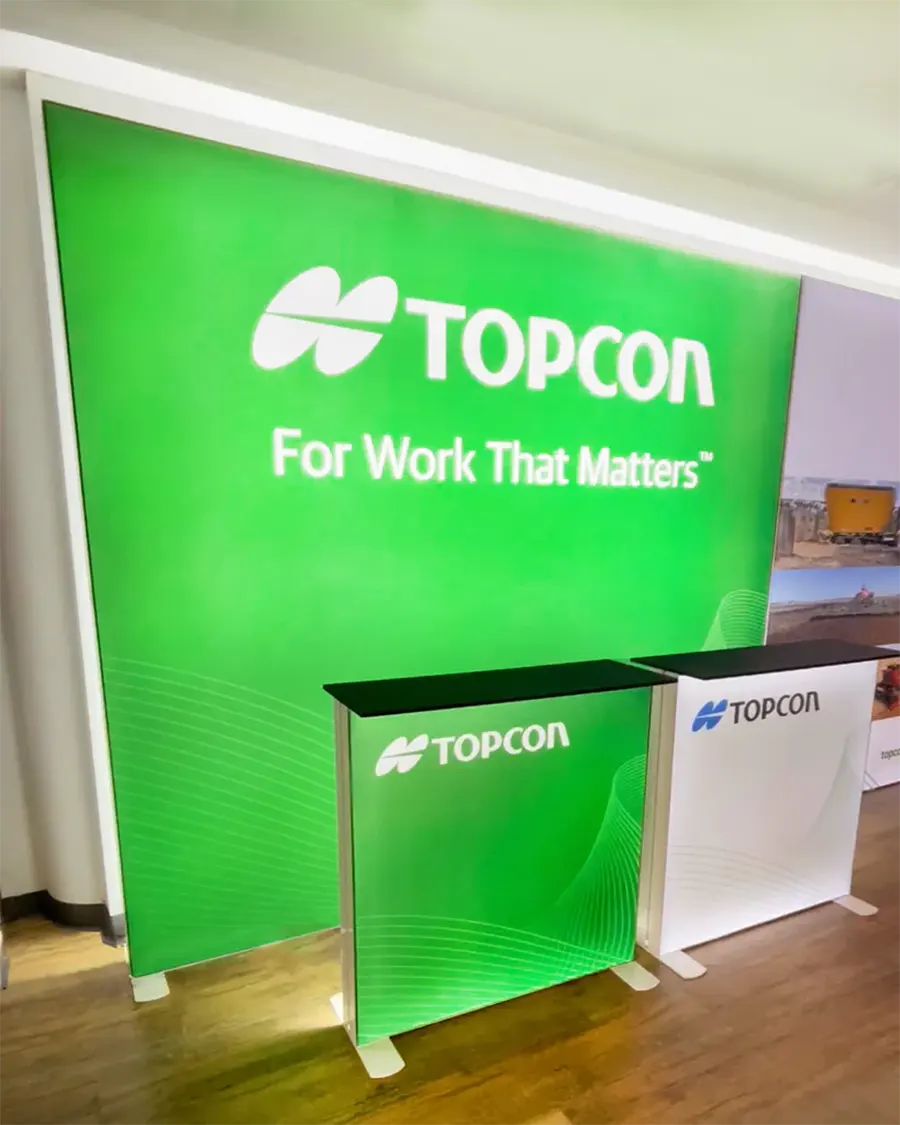
- Viewing distance: Determine the average viewing distance for your audience. Larger lightboxes are more suitable for long-distance visibility, while smaller sizes may be appropriate for close-up interactions or intimate settings.
- Surrounding aesthetics: Consider the overall aesthetics of the environment where the lightbox will be installed. Ensure the size and shape complement the surrounding decor, architecture, and branding elements to create a cohesive visual experience. A light box display actual accentuates the bare look of a shell scheme booth, making it livelier and more attractive.
- Budget: Assess your budget limitations and factor in any additional costs associated with larger or custom-shaped lightboxes. While larger displays can have a more significant impact, they may also come with higher costs for construction, installation, and maintenance.
Are light box displays expensive?
Light box displays vary in price depending on various factors such as size, material, customization options, and additional features. Generally, light box displays can range from affordable options suitable for personal or small-scale use to more expensive options designed for commercial or professional applications. The amazing thing about light box displays like Exhibit Central’s is that the fabric can be changed for different campaigns or a change in promotion. This means that you can use the light box display for various advertising fronts.
Basic light boxes made from materials like plastic frames tend to be more budget-friendly. It’s important to consider the specific requirements and intended use of the light box when determining the budget.
Additionally, exploring different suppliers and comparing prices can help find a suitable light box display that meets desired quality. Overall, while light box displays can vary in design and quality, most lightboxes in the market are not that far apart in prices.
How long do light box displays last?
The longevity of a light box display largely depends on several factors, including the quality of materials used, the type of lighting technology employed, and the maintenance and care provided. Generally, well-constructed light box displays can have a lifespan ranging from several years to over a decade.
LED light boxes tend to have longer lifespans compared to traditional fluorescent or incandescent displays. LEDs are known for their energy efficiency and durability, allowing them to operate for tens of thousands of hours before requiring replacement. Additionally, the material used for the display itself, such as acrylic or polycarbonate, can contribute to its longevity.
Regular maintenance, such as cleaning the surface and ensuring proper electrical connections, can also help extend the lifespan of a lightbox display. Ultimately, while the exact lifespan can vary, investing in high-quality materials, opting for LED lighting, and providing proper upkeep can significantly prolong the life of a lightbox signs.
Conclusion
Selecting the right size and shape for your lightbox signs is crucial to maximising its effectiveness and visual appeal. Consider the common sizes available, ranging from small to large, depending on your space and requirements. Determine the ideal depth of the light box to ensure proper illumination and even lighting distribution.
You can learn more about lightboxes and how they work from this article:
What is a Lightbox and how does it work?
Additionally, choose a shape that aligns with your content and environment, whether it’s rectangle, or square. By carefully considering these factors, you can create a captivating and impactful light box display that effectively communicates your message and captivates your audience.
