
 Lightbox Stands
 Non-Illuminated Stands
 Foldable Stands
 Fabric Tube Stands
 Banner Stands
 Counters
 Accessories
 Browse All Products
 Lightbox Fabric
 Non-Illuminated Fabric
 Foldable Fabric
 Stretch and Slip-On Fabric
 Blockout Fabrics
 Tablecloths
 Lumi
Lumi Trax
Trax Expolinc
 Vista
Vista
Local brands often walk into exhibitions or trade shows knowing they offer something unique—but also aware that they’re sharing space with bigger names, bigger budgets, and more polished setups. In a setting where visual impact plays a huge role in first impressions, one simple choice can completely change how people view the business: a lightbox display.
This illuminated presentation tool brightens a booth and elevates the brand behind it. Let’s unpack how this upgrade can flip the perception of a local business stepping into a high-traffic event or exhibition.
Exhibiting with Impact: Why a Lightbox Display Works
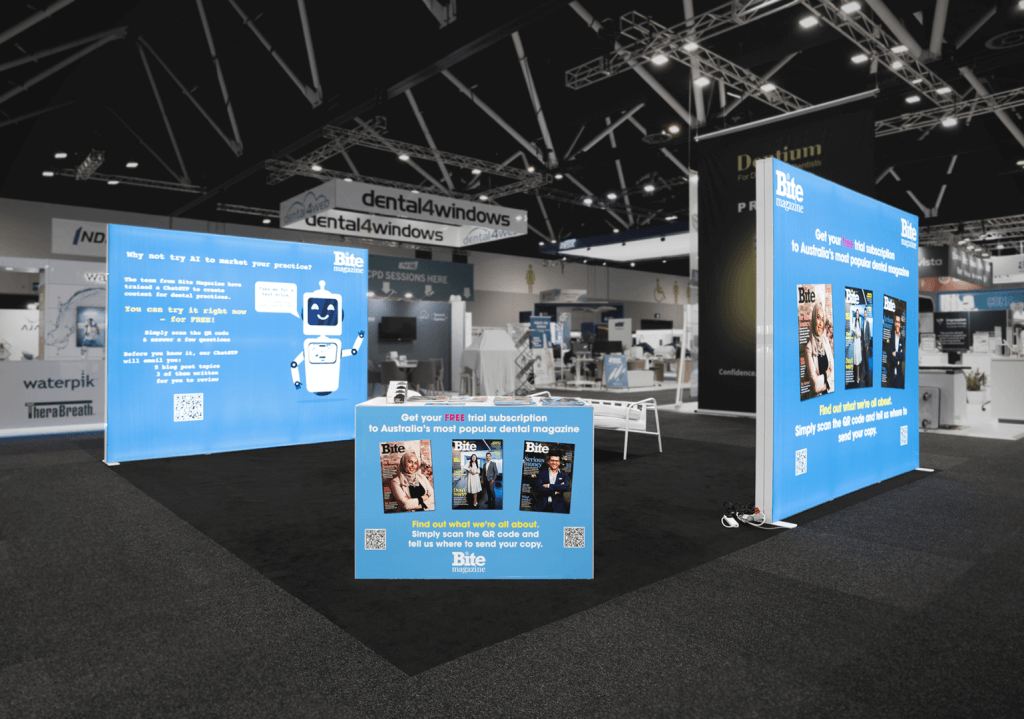
When a local brand shows up at an exhibition, it’s entering a crowded space filled with people, lights, voices, and much visual noise. In that environment, being seen isn’t guaranteed. A simple table and a few flyers might technically do the job, but they’re easy to overlook. That’s where an illuminated display makes a real difference.
It helps a booth stand out—not just because it’s brighter, but because it’s clearer, more focused, and more inviting. The lighting enhances every graphic, keeps the space sharp, and instantly raises the overall presentation. Even if the business is small or just getting started, the setup says something bigger: we’re here, ready, and worth a closer look.
Why a Lightbox Display Stands Out:
Boosts Visibility in a Crowded Space
In a hall packed with signs, colours, and people, catching someone’s eye is half the battle. A light box helps by lighting up the booth, making it easier to spot from a distance or across the aisle. Think of a new local beverage company at a busy food expo. Dozens of brands are handing out samples, but the one with a glowing wall showing crisp, refreshing product images? That booth will draw a crowd without anyone needing to shout.
Sets a More Professional Tone Instantly
A well-lit, structured setup—similar to a shop window display—signals that a brand is organised, detail-oriented, and confident. It creates the kind of presence people often associate with established businesses, even if the brand is just starting out. Instead of feeling temporary or rushed, the booth comes across as complete, like the team behind it is prepared and clear on what they’re offering.
Creates Depth and Makes Small Booths Feel Bigger
One of the underrated effects of a lightbox is its ability to add visual depth. The lighting highlights layers, making the space feel more dimensional—especially important in compact booth setups. Even a small setup with a lightbox wall can instantly feel more spacious and open, making people more comfortable stepping in. Pairing it with a lightbox counter enhances this effect, tying the whole space together with consistent lighting and a clean, modern look.
Makes Graphics Clearer and More Engaging
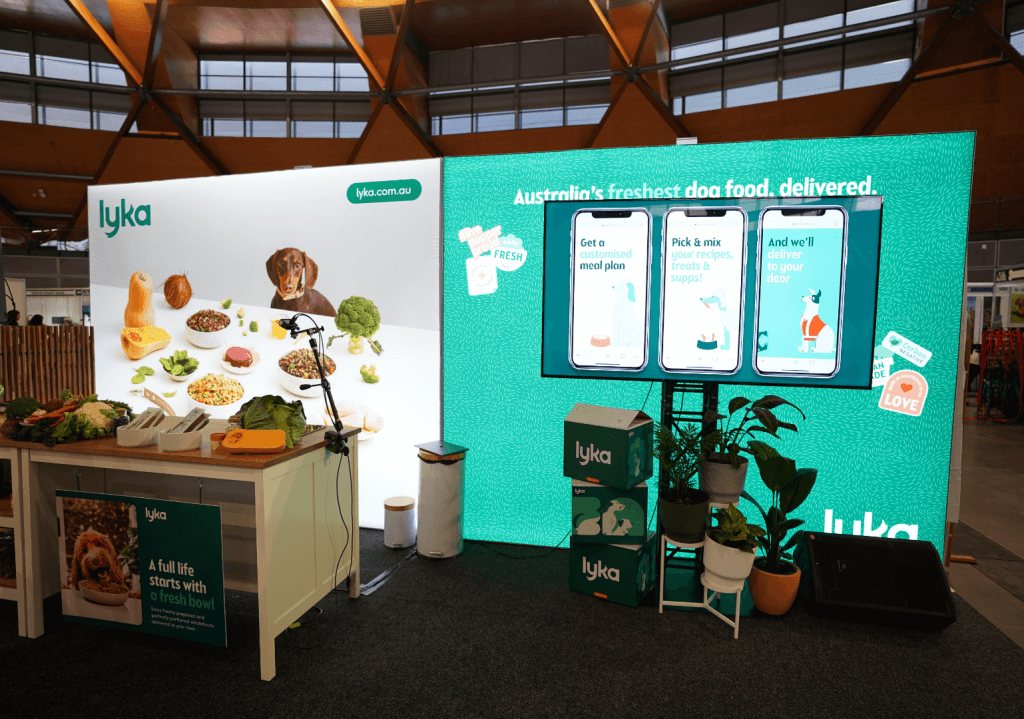
Lighting isn’t just about brightness—it’s about clarity. Backlit graphics appear sharper and more vibrant. The colours look fuller, and the text is easier to read, even from a few feet away. That clarity helps people understand what the brand offers without needing to ask or scan too closely. For example, a local nonprofit using a light box display to share a single, powerful message—like a stat or mission statement—can communicate volumes in just a few seconds.
Maintains a Consistent Look Throughout the Day
Lighting in large venues can change depending on the time of day, weather, or even the position of ceiling lights. Traditional signage can end up in shadows, while glossy prints may reflect harsh light. An SEG light box controls its lighting so the message stays visible and polished from open to close—no matter what’s happening in the environment around it.
Adapts Easily to Different Booth Layouts and Venues
Many lightbox systems are modular so that you can reconfigure them based on available space. Whether it’s a corner booth at a small local market or a wide inline space at a national trade show, the same system can flex to fit. One local cosmetics brand used its lightbox for a downtown street fair, then expanded it into a larger setup for a regional expo the following month: same frame, different impact.
Cuts Long-Term Costs by Being Reusable
While the upfront cost of an LED lightbox display is higher than a standard banner or pop-up sign, the long-term value is greater. The frame can be used repeatedly, and only the printed fabric needs replacing when you need to update your branding or promotion. One tech startup reused the same frame across an entire year of events, switching graphics for each new product launch—saving money and keeping their booth fresh.
Things to Remember When Using a Lightbox Display
Keep the Graphics Simple and Focused
A lightbox naturally draws attention, but it works best when the design is clear and easy to understand quickly. Avoid filling the space with too much text or overly detailed visuals. Stick to one strong message or a bold image that communicates what your brand is offering. Visitors usually glance, not read, so simplicity and impact matter most.
Design With Lighting in Mind
What looks good on a regular poster might not translate well when backlit. Use high-resolution images, bold colours, and large, legible fonts. Avoid dark or low-contrast designs that appear dull or murky when lit from behind. Always try to preview your final artwork under lighting conditions that match the event space if possible.
Double-Check Sizing Before You Print
Lightbox graphics need to fit precisely, especially when using tension fabric systems. A graphic that’s even slightly off in size can sag, wrinkle, or cut off part of your message. Ensure your designer has the correct frame specs and print templates, and confirm all measurements before printing. A small error can be a costly one.
Plan for Power Access
Aside from a light box stand, every illuminated display needs power. Confirm with the organiser if you have an access to an outlet and find out if there’s an added cost for electricity. Bring a long extension lead, power board, and tape to secure cords safely. Also, have a backup plan in mind if you’re positioned farther from power than expected.
Final Thought
For a local brand, lightbox displays add clarity, structure, and a consistent visual presence—useful across different events and layouts. They support your message without adding complexity and help you present with confidence. Browse our lightbox display options to find one that fits your setup and gets your brand noticed for the right reasons.
